跳到内容

咖啡包装机分为几个系列,但有用的区别不仅仅是“手动与自动”。” 您需要确定咖啡将如何计量,机器是否会形成一个袋子或处理预制包装,包装气氛将如何管理,以及成品包装下一步的位置。.
快速回答: 如果您想用卷料制作可重复体积的袋子,请选择立式成型-填充-密封(VFFS)机器。如果成品袋(如拉链袋或阀袋)是产品的核心,请选择预制袋机器。对于短期运行和频繁的更换,请使用半自动灌装机和灌装机。小袋和棒包装机适合部分包装,而刚性容器灌装机适合罐头和罐子。在任何情况下,把装袋工和 正确的计量系统:称量咖啡豆和螺旋钻或其他经过测试的粉末填充器。.
本文对主要设备类型进行了分类,并解释了每种设备的适用范围。 咖啡包装机选购指南.
目录
切换咖啡包装系统有四个不同的层
设备报价可能看起来相似,但涵盖的范围却非常不同。一个供应商可能只报价装袋机;另一个供应商可能包括称重机、氮气冲洗、编码、检重和卸料。在比较机器类型之前,将系统分为四层。.
| 系统层 | 它所做的 | 典型设备 |
|---|---|---|
| 给药 | 测量咖啡的目标量 | 多头或线性秤,净秤,螺旋填料,容积填料 |
| 一级包装 | 形成或打开包装,接收剂量,并将其关闭 | VFFS,预制袋机,小袋或棒包装机,可以或罐灌装机 |
| 保存和质量 | 控制气氛并验证包装 | 氮气冲洗、真空、阀门处理、密封控制、检重秤、金属探测器 |
| 行尾 | 准备成品包装以供分发 | 输送机、贴标机、装箱机、纸箱包装机、打包机、拉伸包装机 |
这种区别防止了常见的规格错误:多头秤和VFFS机器不是相互竞争的替代品。秤计量咖啡豆; VFFS机器制作和关闭袋子。它们一起工作。.
咖啡包装机应用矩阵
| 机族 | 典型咖啡 | 典型封装 | 最佳拟合 | 验证的主要限制 |
|---|---|---|---|---|
| 半自动灌装机加灌装机 | 豆子,咖啡渣,速溶咖啡 | 预制袋或小袋 | 短时间运行,多SKU,分阶段自动化 | 操作员周期和密封瓶颈 |
| VFFS | 豆类、研磨物、速溶颗粒或粉末 | 卷料枕、角撑板或机器支撑专用袋 | 以稳定的格式重复生产 | 胶片性能、工厂高度和转换 |
| 预制袋灌装和密封 | 豆子和咖啡渣 | 直立式、拉链式、平底式或阀式袋 | 高级零售展示和灵活的邮袋功能 | 包装袋一致性、开口和单位材料成本 |
| 小袋或棒状包装 | 速溶粉末或颗粒;分份研磨物 | 一次性小袋或小棒 | 部分包装,样品,招待产品 | 粉末流动、密封污染和多通道清洁 |
| 滴袋或袋中袋系统 | 咖啡粉 | 过滤包加保护性外袋 | 单杯倾倒产品 | 特殊材料和工艺复杂性 |
| 刚性容器灌装线 | 豆子,咖啡渣,速溶咖啡 | 罐、罐、瓶或复合容器 | 严格的高级包装或特定的分销需求 | 容器处理、密封和顶空控制 |
| 散装袋灌装和密封 | 全豆或工业配料 | 较大袋或内衬 | 食品服务、批发或深加工 | 重量范围、灰尘、袋支撑和关闭方法 |
矩阵只是一个起点,而不是产品试用的替代品。同一种咖啡在烘焙、研磨、体积密度、温度或加工时间发生变化后,会有不同的表现。.
1.半自动咖啡灌装封口设备
半自动工作单元将主要操作分开。灌装机测量咖啡,操作员定位或转移包装袋,并由自动化设备关闭包装袋。编码和气体冲洗可以单独进行,也可以集成到密封阶段。.
在以下情况下选择
- 您运行小批量或经常更改咖啡和袋格式。.
- 你的输出不能证明自动送袋是正确的。.
- 您希望在实现整个过程自动化之前提高配料或密封一致性。.
- 你需要一个操作员来检查或操作一个特殊的袋子。.
避免当
- 手动包装袋放置无法满足您所需的可销售产量。.
- 劳动力可用性或人体工程学风险使得重复处理不切实际。.
- 您的工艺要求严格控制灌装、冲洗和密封之间的时间。.
不要单独测量灌装机的尺寸。测量整个操作周期:收集包装袋,打开包装袋,定位包装袋,灌装,转移,冲洗(如需要),密封,检查,并将包装放入下一个容器。 工业封口机 可以作为分阶段系统的一部分进行审查,但仍需确认袋材料、灌装重量、密封面积、阀门位置和输送机布置。.
2.立式成型-灌装-封口机
VFFS设备展开卷料薄膜,将其围绕管成型,创建纵向和横向密封,接收测量剂量,并切割成品袋。该格式被广泛使用,因为制袋,灌装和密封在一个自动化过程中发生。.
在以下情况下选择
- 您拥有可重复的生产量和相对稳定的袋型。.
- 铁路车辆的经济性对该项目很重要。.
- 您的包装可以在建议的成型设备上可靠地生产。.
- 您有足够的天花板高度和合适的通道来进行产品进料、计量和薄膜处理。.
避免当
- 你的品牌依赖于一个复杂的预制袋的机器不能复制。.
- 你有许多短的运行和转换将消耗大量的生产时间。.
- 您的设施无法容纳垂直布局或安全访问高架设备。.
- 所提议的机车车辆和阀门应用尚未一起进行测试。.
VFFS并不决定计量方法。整豆可以通过多头或线性称重机到达,而研磨咖啡可以通过螺旋灌装机供应。确认拉链应用、排气阀、氮气冲洗、日期编码和所需的袋几何形状是本地功能、可选模块还是单独的流程。.
3.预制袋灌装和封口机
预制袋系统从杂志中取出成品袋,抓住它,打开它,接收咖啡,并密封顶部。机器可能使用旋转布置或内联路径。当包装外观和功能是品牌的核心时,通常会考虑这个系列。.
在以下情况下选择
- 你需要站立,拉链,平底,成型,或预阀袋。.
- 你想购买转换袋,而不是形成他们从铁路车辆。.
- 您需要在机器经过验证的尺寸范围内实现包装灵活性。.
- 您的零售包装价值可以支持邮袋和处理成本。.
避免当
- 包装袋供应商无法保持所需的尺寸和材料公差。.
- 该项目主要是由最低的包装材料成本在稳定,高容量的驱动。.
- 拉链、阀门或袋的几何形状会干扰抓握、打开、填充或密封。.
对于这种机器类型,包装袋是一个功能性机器组件。测试生产包装袋-不仅仅是普通样品-并记录宽度、长度、口部平整度、硬度、摩擦力、拉链位置、阀门位置、密封剂层和允许的变化。目视可接受的包装袋仍可能无法打开或无法正确固定在夹具中。.
4.小袋和棒状包装机
小袋和棒状包装设备从卷料形成小包装,计量产品,并密封每个部分。它通常适用于速溶咖啡,粉末混合物,样品,酒店部分和其他一次性使用的格式。.
在以下情况下选择
- 您需要在紧凑的包装中控制单个部分。.
- 您的产品可通过合适的粉末、颗粒或混合计量系统持续流动。.
- 您的产品量证明了专用通道、工具和包装材料的合理性。.
避免当
- 研磨咖啡会在密封区域产生不受控制的灰尘或产品。.
- 您的混合物在料斗和单独的通道之间分离。.
- 频繁的配方变化使得多通道清洗和调和变得不切实际。.
多通道机器每个循环可以生产许多包,但每个通道必须保持在商定的重量和密封标准内。在试验期间,单独比较通道,而不是只接受组合平均值。.
5.滴咖啡袋和袋中袋机
滴袋设备制作或处理过滤包装,计量研磨咖啡,密封内包装,并可能将其放置在屏障外袋中。有些系统还采用挂耳或其他冲泡支架。.
这是一种特殊的形式,而不是标准小袋机的通用替代品。过滤材料,剂量,研磨行为,内密封,外屏障袋,氮气冲洗,打开方便性和酿造性能都相互作用。.
选择此产品用于定义的单杯计划,并配备经过验证的耗材和足够的容量。避免将其视为普通咖啡生产线的低风险附加产品。在将其作为产品解决方案呈现之前,必须确认华联在此专业类别中的能力。.
6.刚性容器灌装和封口生产线
咖啡也可以包装成罐,罐,瓶,或复合容器。一条线可能包括容器整理或进料,剂量,沉降,气体冲洗,盖或封闭应用,感应密封,标签和检查。.
在以下情况下选择
- 刚性容器是产品使用体验或品牌定位的一部分。.
- 该容器提供您所需的配电保护或重合闸。.
- 您可以管理空容器存储、进料和更换部件。.
避免当
- 空集装箱物流、占地面积或单位成本与商业案例相冲突。.
- 您预期的容器变化尚未通过进料、灌装和关闭进行测试。.
不要认为咖啡灌装机也是一个完整的罐装或震动生产线。确切地确认谁提供和集成的封闭,篡改证据,编码,检查和标签应用。.
7.真空和气体冲洗设备
真空和氮气冲洗是工艺选项,本身并不是完整的咖啡机类别。它们可以集成到室式咖啡机、预制袋生产线、VFFS机器或刚性容器生产线中。.
专业咖啡协会确定氧气,水分,温度和时间作为主要的新鲜度问题,并讨论了包装干预措施,包括氮气冲洗,真空和单向阀袋在其 咖啡新鲜度概述. .正确的设备仍然取决于咖啡,包装,分发周期以及您打算验证的结果。.
在以下情况下使用氮气冲洗
- 您有一个定义的包装气氛目标和一种测量残余氧气的方法。.
- 包装屏障和密封可以保持预期的气氛。.
- 气体输送、流量、定时和消耗已在生产速度下进行了评估。.
不承担
- 氮气入口确保低残留氧。.
- 单向阀可以补偿泄漏的热密封。.
- 更强的真空度自动更适合新鲜烘焙的咖啡豆或包装外观。.
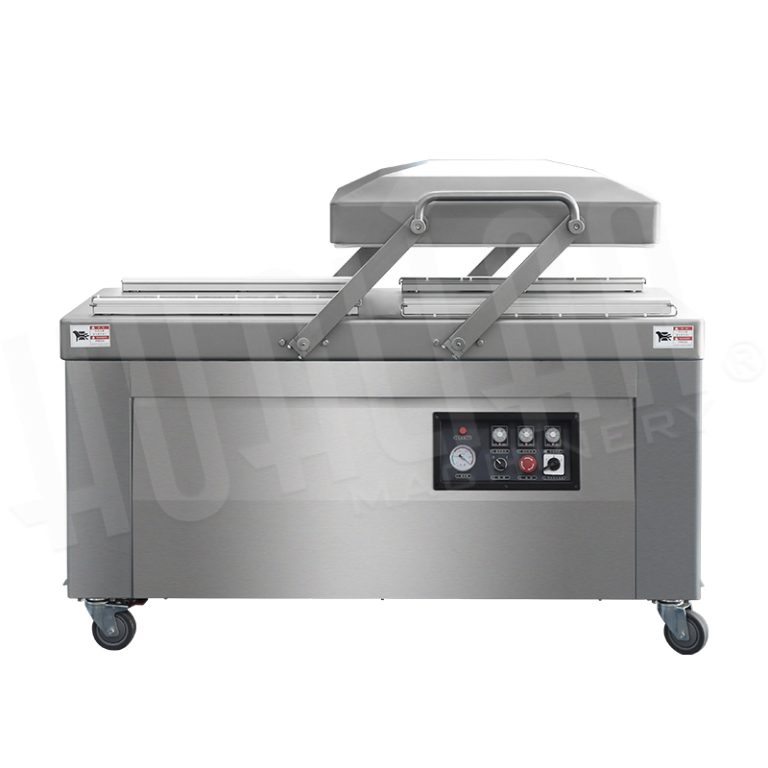
华联制造 真空包装机, ,但咖啡的适用性应根据您的实际烘焙条件、包装结构、脱气策略和验收标准来确定。.
8.散装咖啡袋灌装和封口系统
批发、食品服务或深加工应用可能使用较大的袋子而不是零售袋。该生产线可包括净重、袋支撑、灌装、沉降或脱气、热封、缝纫和卸料输送。.
根据袋的结构和分配要求选择封口方法。热封内衬袋、层压袋、编织外袋和纸袋不使用相同的封口过程。还要检查装满的袋是否可以通过封口支撑而不拉动密封区域。.
对于研磨咖啡或速溶咖啡粉,灰尘收集和产品密封可能会影响密封质量和工作环境。对于整粒咖啡豆,传送高度和撞击点可能会影响破碎。.
9.检测和生产线终端设备
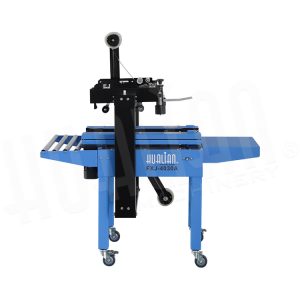
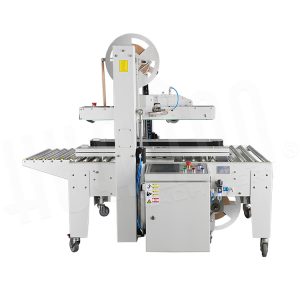
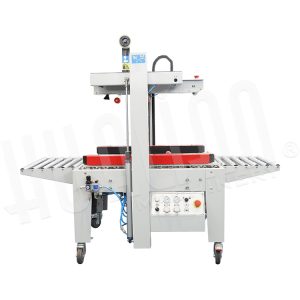
一个初级包装机可以使一个封闭的袋子,但您的商业线可能仍然需要编码,检重,金属检测,泄漏或密封检查,案件包装,纸箱密封,密封,和拉伸包装。.
在回顾华联的 包装线解决方案, define the line boundary and interfaces. The bagger, inspection system, case packer, and palletizer need compatible rates, signals, accumulation, reject logic, and recovery procedures. A group of individually capable machines is not automatically a balanced line.
配料系统如何改变应用
| 加药系统 | Common application | Why it may fit | What to test |
|---|---|---|---|
| 多头秤 | 完整咖啡豆 | Combines weighed portions and can support higher output | Weight variation, bean damage, drop height, sustained rate |
| Linear or net weigher | 完整咖啡豆 | Straightforward weight-based filling for moderate output or larger doses | Feed stability, cutoff behavior, breakage, cycle time |
| 螺旋填料 | Ground or instant coffee powder | Controls powder dose through auger rotation | Grind, bulk-density change, hopper level, dust, seal contamination |
| 容量杯灌装机 | Stable, free-flowing granules | Simple volume-based dosing | Weight drift between batches and density changes |
A bagger may support more than one coffee product if the dosing system can be changed, but that does not make the conversion automatic. Review mechanical change parts, controls, cleaning, dust extraction, changeover time, storage of unused equipment, and the risk of cross-contamination.
通过五个步骤选择机床系列
- Define the coffee. State whole bean, grind or instant form, roast, bulk density, temperature, dust behavior, and time between processing and packaging.
- Lock the finished package. Specify premade pouch or rollstock, dimensions, fill weight, material, zipper, valve, print registration, closure, and required appearance.
- Calculate saleable output. Use bags per shift, available minutes, SKU schedule, changeovers, cleaning, and expected line efficiency—not only a maximum bags-per-minute number.
- Define the automation boundary. Decide whether the project ends at sealing or includes inspection, case packing, and palletizing.
- Run an application trial. Test actual coffee and production packaging against agreed weight, speed, seal, residual-oxygen, reject, and changeover criteria.
如何发送您的设备请求
- Coffee type, roast or grind description, bulk density, and sample quantity
- Target fill weights and acceptable tolerance
- Bag or container drawings, materials, dimensions, and production samples
- Zipper, one-way valve, label, coding, and gas-flushing requirements
- Required saleable packs per shift and planned operating hours
- SKU count, batch sizes, and changeover frequency
- Factory layout, ceiling height, electrical supply, compressed air, and nitrogen source
- Existing upstream and downstream equipment
- Inspection, documentation, FAT, installation, training, and spare-parts requirements
If this information is incomplete, ask the supplier to identify assumptions explicitly. A low quotation based on a bagger alone should not be compared directly with an integrated line quotation.
结论
The right coffee packaging machine type follows the product and finished package. VFFS suits rollstock-based, repeatable production; premade-pouch systems suit converted bags with retail features; semi-automatic cells support short runs and staged investment; sachet, stick-pack, drip-bag, rigid-container, and bulk systems serve narrower applications.
After selecting the machine family, specify the dosing system, atmosphere-control method, inspection scope, and end-of-line boundary. Then validate the complete configuration with your coffee and packaging material.
For an application review, send Hualian your coffee format, target weight, package samples, output per shift, SKU schedule, and factory utilities. These inputs allow the engineering team to compare a standalone machine, work cell, and integrated line on the same basis.
常见问题
咖啡包装机的主要类型有哪些?
The main families are semi-automatic filler-and-sealer cells, VFFS machines, premade-pouch filling and sealing machines, sachet and stick-pack machines, drip-bag systems, rigid-container filling lines, and bulk bag filling systems. Dosing, nitrogen flushing, inspection, and end-of-line equipment are additional system layers.
哪种机器用于包装整粒咖啡豆?
Whole beans are commonly measured by a multihead, linear, or net weigher and packed by a VFFS or premade-pouch machine. The final choice depends on the bag format, output, bean-handling limits, changeover needs, and automation scope.
哪种机器用于研磨咖啡?
Ground coffee is commonly dosed with an auger filler and packed on a VFFS, premade-pouch, sachet, or rigid-container line. You should test bulk-density variation, dust control, product in the seal area, and cleaning.
VFFS和预制袋机之间有何区别?
VFFS makes bags from rollstock during production. A premade-pouch machine opens, fills, and seals bags that were converted beforehand. Compare film or pouch cost, required bag features, output, changeover, floor and height constraints, and package presentation.
一台咖啡包装机可以同时处理咖啡豆和咖啡渣吗?
The same primary bagger may handle both if it supports the package formats, but beans and grounds normally require different dosing and product-handling arrangements. Confirm change parts, controls, cleaning, dust extraction, and changeover time.
氮气冲洗机是一种单独的机器类型吗?
Not necessarily. Nitrogen flushing is a process module that can be integrated into several packaging-machine types. Specify the residual-oxygen target, measurement method, gas supply, consumption assumptions, and test conditions.
咖啡胶囊机是否包括在此比较中?
No. Capsule filling and sealing uses specialized formats, tooling, and supply chains. It should be evaluated as a separate project, and Hualian capability should be confirmed before a product recommendation is made.
在选择机器类型之前应该测试什么?
Test actual coffee and production packaging for sustained saleable output, fill-weight variation, product damage, pouch feeding, seal defects, residual oxygen where relevant, rejects, operator interventions, and changeover time.