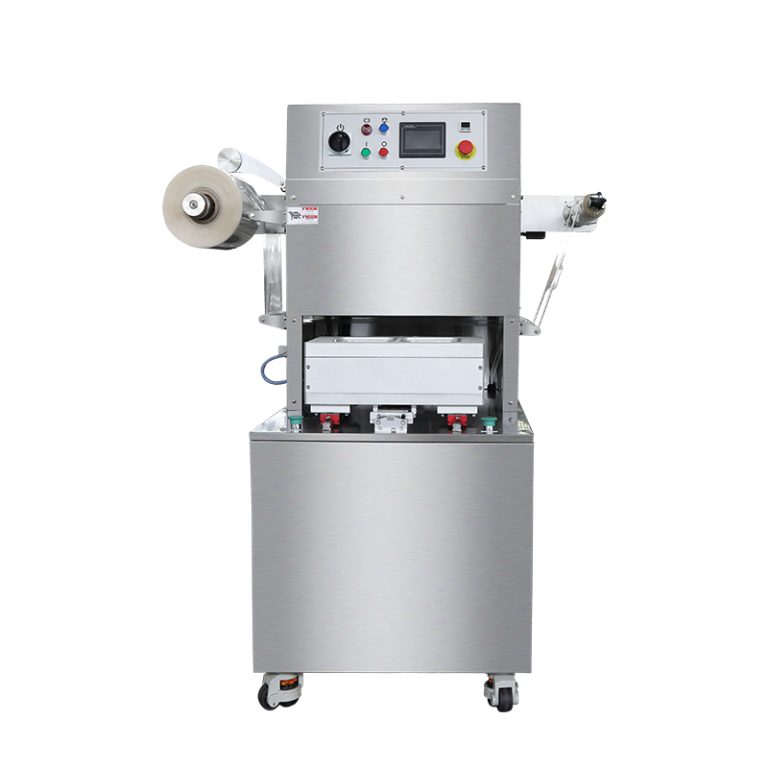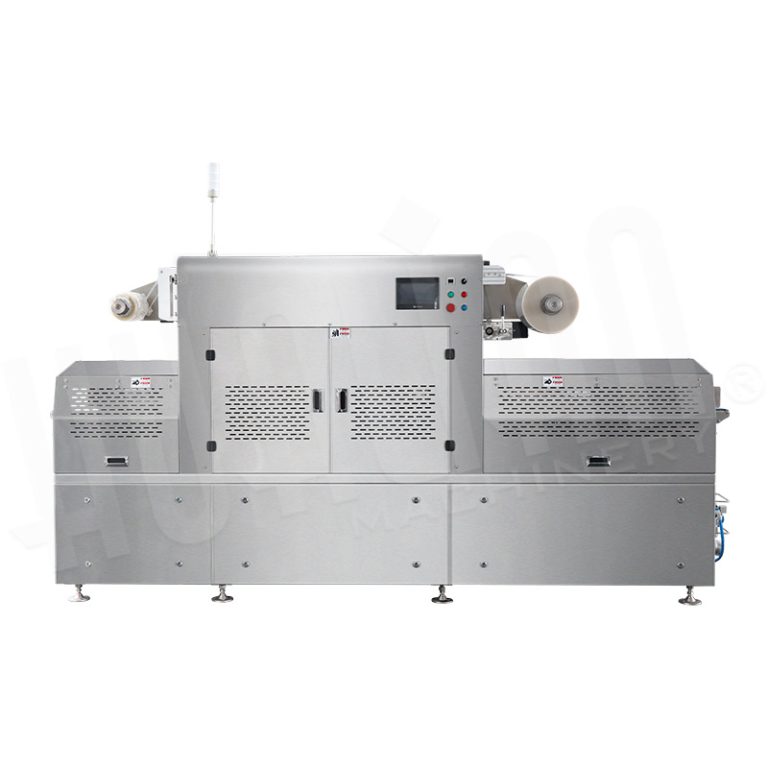
Preventive maintenance protects weight control, seal integrity, package appearance, uptime, and operator safety; it should be based on the machine manual, actual duty, and recorded condition.
Quick answer: Clean product-contact and sealing areas every operating day, inspect wear and alignment on a defined schedule, and use trends—weight drift, temperature stability, air pressure, rejects, alarms, and component condition—to decide when planned intervention is required. Never replace the manufacturer’s manual or lockout procedure with a generic checklist.
This article supports our coffee packaging machine guide by focusing on one operational decision in greater depth.
Start With Safety and the Machine Manual
Before cleaning, adjustment, or maintenance, stop the machine using the approved procedure, isolate hazardous energy, and verify a safe state. Heated seal jaws, moving grippers, stored pneumatic pressure, sharp cutters, elevated hoppers, and electrical cabinets require task-specific controls and trained personnel.
Use this article as a planning framework. Your OEM manual, risk assessment, local requirements, sanitation plan, and component instructions remain authoritative.

Daily or Every-Shift Checklist
| Area | Check | Why it matters |
|---|---|---|
| Product path | Remove coffee residue from hopper, feeder, weigher or auger, chutes and guards using an approved method | Residue changes flow, carries flavors, attracts contamination and can obstruct sensors |
| Seal zone | Clean jaws, bands, anvils and nearby surfaces; inspect for embedded grounds or film | Contamination creates channels, wrinkles and weak seals |
| Packaging path | Remove film or pouch scraps and check guides, grippers, belts and vacuum cups | Debris and loss of grip cause misfeeds and stops |
| Dosing | Review sample weights and giveaway trend | Drift may indicate density change, buildup, wear or unstable hopper level |
| Utilities | Check air pressure, nitrogen supply where used, leaks and abnormal noise | Unstable supply changes motion, purge and sealing timing |
| Inspection | Challenge checkweigher, detector, code check and reject function according to site procedure | A device is useful only when detection and rejection are verified |
| Safety | Inspect guards, doors, interlocks and emergency stops according to the approved check | Defeated or damaged protection requires controlled response |
| Record | Log alarms, defects, adjustments, cleaning and unresolved observations | History reveals repeated faults before they become downtime |
Weekly Checklist
- Inspect sealing surfaces, non-stick covers, heater wiring and temperature-sensor condition without disturbing validated settings.
- Check belts, chains, rollers, bearings, grippers, pouch magazines, film unwind and registration components for wear, tracking and looseness.
- Inspect pneumatic tubing, fittings, cylinders, filters and vacuum components for leakage, moisture and slow movement.
- Clean photoeyes, registration sensors, level sensors and coder optics with approved materials; confirm brackets remain secure.
- Inspect auger, agitator, dosing screws, weigh-hopper gates and load-cell area for buildup, contact or mechanical damage.
- Check dust-extraction pickup points, filters and airflow indicators; do not use compressed air in a way that spreads dust into controls or bearings.
- Review recurring alarms, weight corrections, seal rejects and short stops rather than resetting them without investigation.
Monthly or Condition-Based Checklist
| System | Planned check | Evidence to retain |
|---|---|---|
| Mechanical drive | Tension, alignment, fasteners, lubrication point and abnormal wear | Inspection result and work completed |
| Sealing | Parallelism, pressure distribution, jaw/band condition and verified temperature response | Reference seal sample and settings |
| Dosing | Repeatability with representative coffee and weights | Sample plan, individual results and average |
| Gas flushing | Leaks, regulator, flow control, nozzle position and residual-oxygen verification | Input settings and finished-pack results |
| Electrical/control | Cabinet condition, fans/filters, terminals where authorized, backups and alarm history | Technician record and backup version |
| Safety | Documented inspection of safety devices and guarding | Signed check and corrective action |
| Spares | Critical-stock level and shelf condition | Parts issued, reorder point and compatibility |
Maintain Whole-Bean and Ground-Coffee Systems Differently
Whole beans
Inspect drop points, buckets, weigh hoppers and discharge gates for impact damage and trapped beans. Coffee oils and fragments can change friction and gate closure. Record bean breakage together with weight performance.
Ground coffee
Focus on auger and agitator buildup, dust migration, seals, bearings and extraction. Powder in the seal area is a process warning, not only a cleaning problem. Review cutoff, settling time, fill chute and extraction before increasing seal temperature.
Use Condition Trends to Set the Frequency
Calendar intervals are a starting point. Increase attention when the line runs more shifts, handles oily or dusty coffee, changes formats frequently, operates in heat or humidity, or shows rising rejects. Extend an interval only with OEM approval and recorded evidence that condition remains controlled.
Useful trends include pack-weight distribution, giveaway, seal defects, residual oxygen, air consumption, heater cycling, vacuum level, short-stop reasons, changeover time and parts usage.
Critical Spare-Parts Plan
- Parts with predictable wear such as sealing covers, belts, blades, suction cups, filters and approved lubricants
- Long-lead sensors, heaters, temperature probes, drives or control components identified with the OEM
- Format-specific change parts that can stop a complete SKU family
- Backup recipes, PLC/HMI programs and documented restoration responsibility
- Storage conditions, shelf life, identification and reorder level for every critical item
Maintenance Handover Record
- Date, machine hours or production count, SKU and coffee condition
- Observed symptom and measured evidence
- Energy-isolation and work authorization reference
- Parts used and settings changed
- Verification packs, weights, seals, residual oxygen or reject test
- Person completing and person releasing the machine
- Open action, due date and escalation owner
When Maintenance Should Trigger Engineering Support
Escalate repeated safety faults, structural damage, electrical overheating, uncontrolled motion, persistent seal leakage, unexplained weight drift, gas-system instability, or a fault that returns after the same part is replaced. Repeated component failure often indicates alignment, application, contamination, utility or control problems upstream of the failed part.
Prepare for an Application Review
Send Hualian your coffee type, fill weights, package drawings and samples, target saleable output, SKU schedule, layout, utilities, inspection needs, and present production problems. The engineering team can then define a testable machine or line scope instead of relying on a generic configuration.
Frequently Asked Questions
How often should a coffee packaging machine be maintained?
Use OEM intervals as the baseline, then adapt them to hours, shifts, coffee condition, dust, package material and recorded wear.
What should operators clean every day?
Product-contact surfaces, filling and sealing zones, packaging paths and accessible sensors should be handled according to the approved sanitation and safety procedure.
Can compressed air be used to clean coffee powder?
Only where the site and OEM procedure permit it; uncontrolled blowing can spread combustible or contaminating dust into bearings, enclosures and the room.
What maintenance affects seal quality most?
Clean and aligned sealing surfaces, stable temperature, correct pressure and dwell, and an uncontaminated seal area are central.
Which records are most useful?
Weights, rejects, alarms, adjustments, inspections, parts, verification results and unresolved actions make maintenance measurable.