ข้ามไปที่เนื้อหา
Food packaging machines are best classified by the operation they perform and their position in the line. Buyers can then match filling, forming, sealing, wrapping, inspection and end-of-line functions to the actual product and package. This guide explains the main equipment families without treating every machine name as interchangeable.
Buyer focus: Use the article as a screening framework. Final equipment suitability must be confirmed with representative product, packaging material and acceptance criteria.
Food Packaging Machine Types at a Glance
| Machine family | Primary job | Typical output |
|---|---|---|
| Filling and dosing | Measure and deliver product | Filled container or package |
| Form-fill-seal | Create, fill and close a pack | Finished flexible package |
| การปิดผนึกถาด | Seal film to a preformed tray | Sealed, vacuum or gas-flushed tray |
| บรรจุภัณฑ์สูญญากาศ | Remove air and seal | Vacuum pack |
| Thermoforming | Form lower web and seal top web | Rollstock-formed pack |
| Secondary packaging | Group and protect primary packs | Carton, case or bundle |
Filling and Dosing Machines
Fillers and dosing systems handle liquids, pastes, powders, granules and pieces. The correct method depends on flow behavior, particle size, target portion, accuracy method and cleaning needs. The filler cannot be selected independently from the container, downstream closing process or product supply.
Form-Fill-Seal and Premade Pouch Machines
Vertical and horizontal form-fill-seal systems create packages from roll-fed material. Premade-pouch systems open, fill and close an existing pouch. Orientation, product handling, pouch style, sealant layer, registration and desired output distinguish the options.
เครื่องปิดผนึกถาด
Tray sealers apply lidding film to preformed trays. Depending on the specified configuration and materials, a process may be sealing-only, vacuum, gas flushing or skin packaging. Tooling must match tray dimensions and flange geometry. Buyers planning this format can continue with the tray sealing machine selection guide.
Vacuum and Thermoforming Packaging Machines
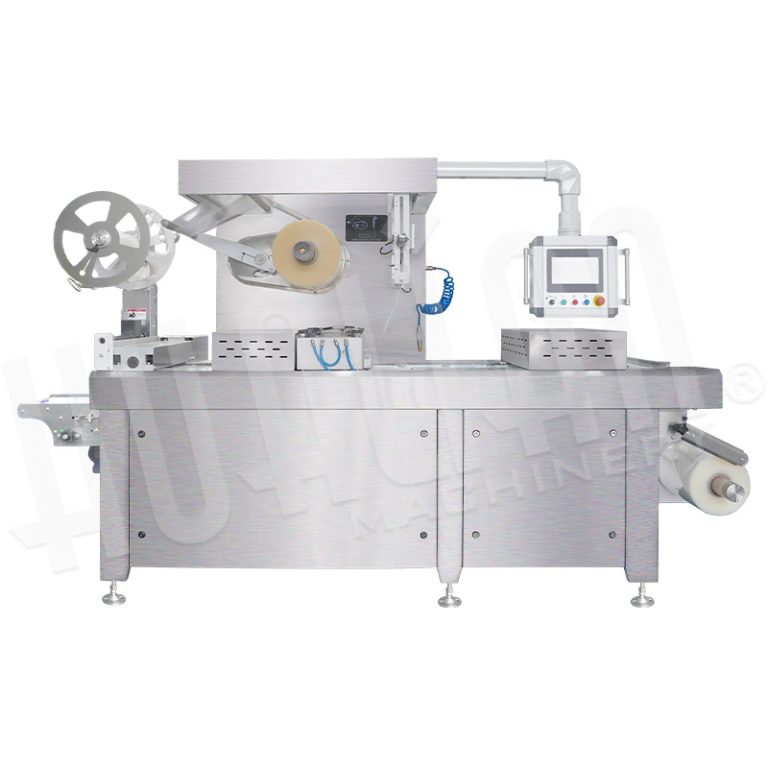
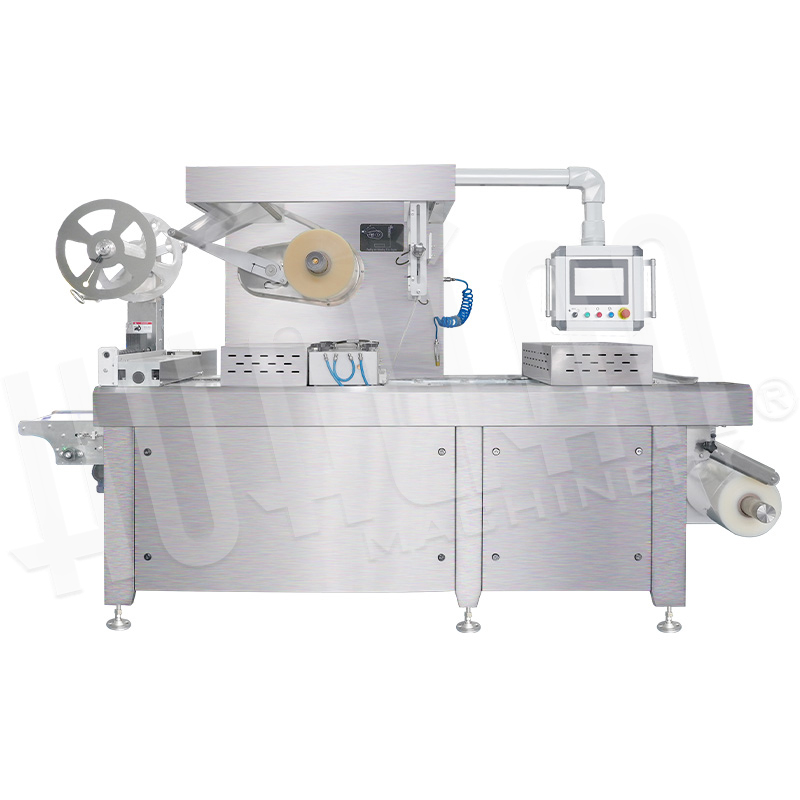
Vacuum chamber equipment removes air from a preformed bag or pack before sealing. Thermoforming systems form the lower package from rollstock, receive the product and seal it with a top web. The choice affects labor, tooling, materials, line length and format flexibility.
Wrapping, Cartoning and End-of-Line Equipment
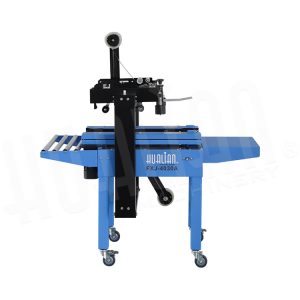
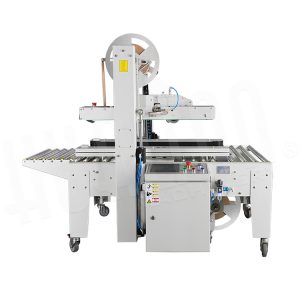
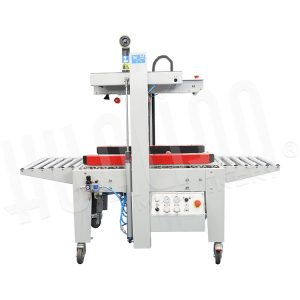
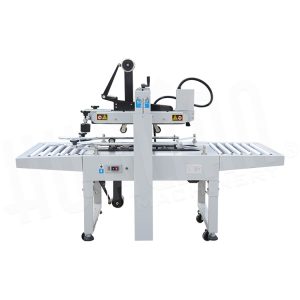
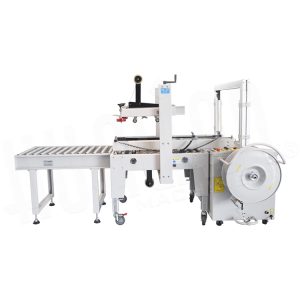
Flow wrappers enclose products in continuous film, while shrink systems apply and tighten film around an item or group. Cartoners, case packers, case sealers, strappers, conveyors and palletizing equipment prepare primary packs for handling and distribution.
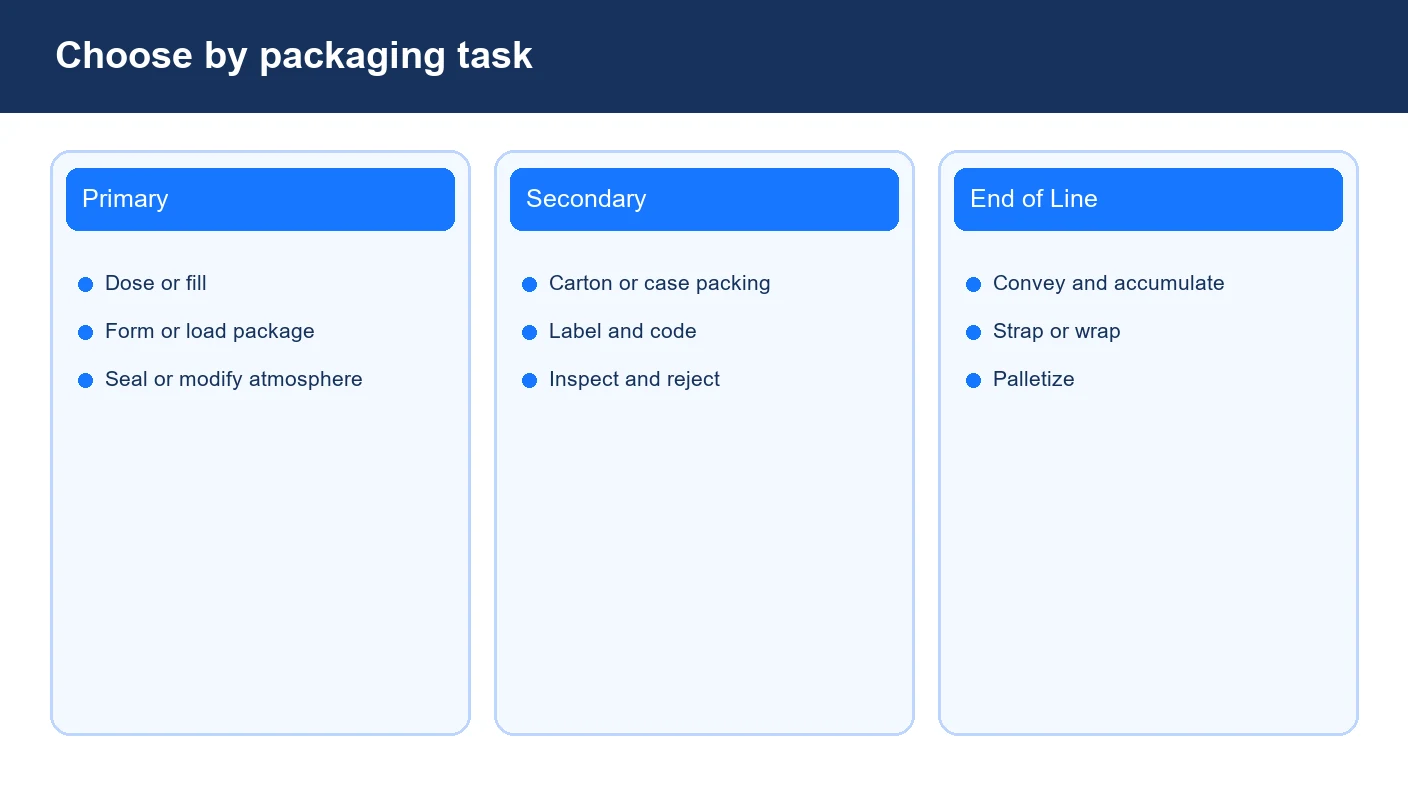
Match Machine Type With the Production Task
Start with the food and package rather than a broad equipment label. Use the food-characteristics guide and document the exact operation expected at machine entry and exit. A line diagram helps identify missing feeding, transfer, inspection or accumulation functions.
Build a Shortlist With Evidence
For each candidate, record supported product-pack combinations, required change parts, cleaning procedure, utilities, operator tasks and the evidence expected during a sample trial. Return to the food packaging equipment buyer’s guide to complete the selection process.
Evidence and standards to verify
Food equipment selection should reflect applicable hygiene and safety requirements. FDA CGMP guidance addresses cleanable food equipment; ISO 12100 provides machinery risk-assessment principles; and PMMI’s 2025 workforce study reports findings from 136 end-user and OEM respondents on skills, embedded guidance, remote support and targeted automation.
Frequently Asked Questions
Is a sealing machine the same as a packaging machine?
A sealing machine performs one packaging operation. A packaging machine may fill, form, seal, wrap or combine several functions.
Are VFFS and premade pouch machines interchangeable?
No. One forms a pouch from rollstock; the other handles a pouch manufactured beforehand. Materials, feeding and operating economics differ.
Can one machine package every type of food?
No. Product behavior, package geometry, hygiene, output and process requirements create practical limits that must be tested.
What is primary food packaging equipment?
Primary packaging equipment creates or closes the package that directly contains the food, such as a pouch, tray, bag or thermoformed pack.
Which machine types belong at the end of a packaging line?
Inspection, conveying, case sealing, strapping, wrapping and palletizing equipment commonly support secondary or tertiary packaging.
How should buyers compare different machine families?
Compare the required operation, product state, finished package, accepted output, cleaning method, changeovers and integration boundary under the same written specification.
Discuss a testable packaging requirement with HUALIAN
Send product details, package samples, target output, SKU range and factory conditions. Use the same written requirement when comparing suppliers.
Related Resources
- How to Choose Food Packaging Equipment: A Practical Buyer’s Guide
- Food Packaging Equipment Hygienic Design Checklist
- Food Packaging Machine Factory Acceptance Test Checklist