A sausage packaging machine price can range from a relatively simple chamber-machine purchase to a fully integrated thermoforming or MAP line project. The useful question is not 鈥淲hat does the machine cost?鈥?but 鈥淲hat scope, output, package quality, and acceptance criteria are included in the quoted price?鈥?This guide explains the main cost drivers and the items buyers frequently discover too late.
Tabla de contenido
PalancaWhat Determines the Price?
The largest price differences usually come from the packaging method, automation level, usable machine size, vacuum and gas system, tooling, loading concept, inspection and labeling equipment, sanitary design requirements, controls integration, and service scope. Two quotations described as 鈥渁utomatic sausage packaging lines鈥?may include completely different boundaries.
1. Packaging Method and Machine Architecture
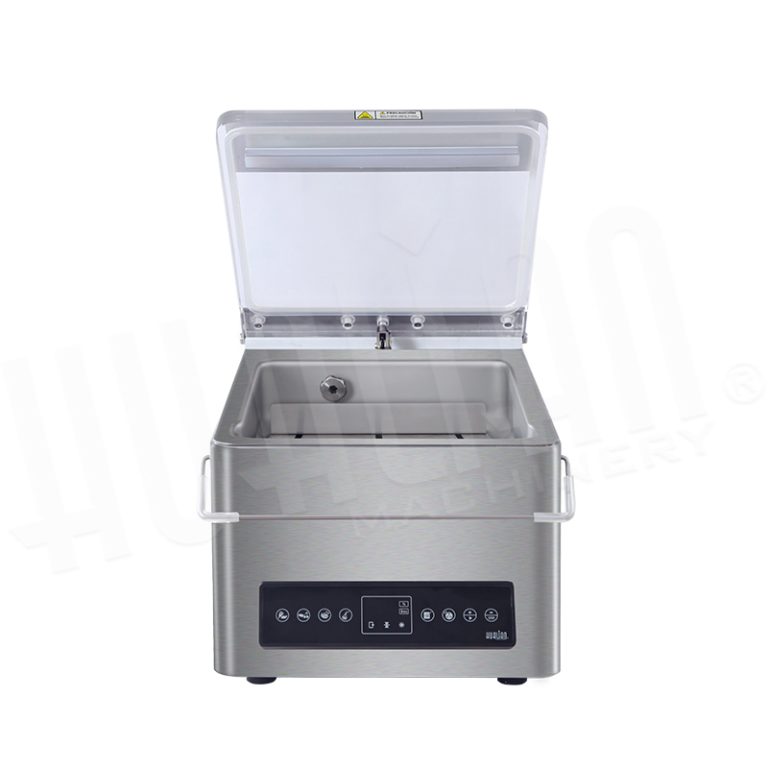
Chamber Vacuum Machines
Single- and double-chamber machines usually represent the simplest equipment scope. Price changes with chamber size, seal length, lid or conveyor design, vacuum pump capacity, construction, and options. A lower equipment price must be weighed against premade-bag handling and ongoing labor.
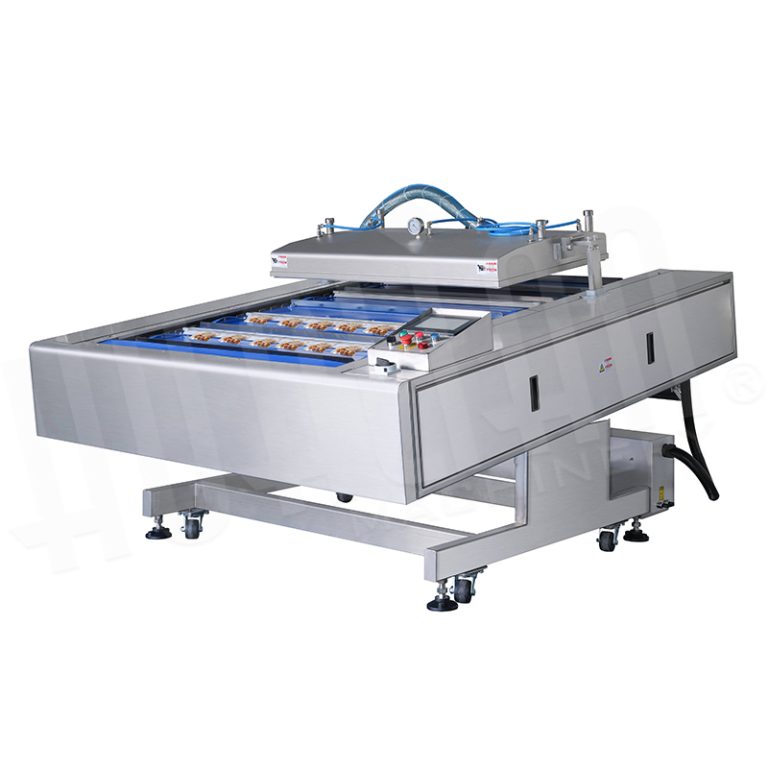
Continuous or Belt Vacuum Systems
These systems add product conveyance and more continuous operation. Belt dimensions, sealing arrangement, loading ergonomics, washdown requirements, and control features affect cost.
Máquinas de embalaje de termoformado
A thermoformer combines rollstock forming, loading, evacuation or gas flushing, sealing, and cutting. Film width, forming depth, index range, machine length, vacuum pumps, heating and cooling, cutting system, registration control, safety guarding, and hygienic design all affect price.
MAP Tray Sealers
MAP projects add vacuum/gas replacement, gas supply or mixing, tray tooling, lidding-film control, and process verification. Automatic denesting, filling, loading, inspection, and labeling may cost more than the tray sealer itself, depending on scope.
2. Output and Pack Configuration
Required sellable packs per minute influence chamber size, cavity count, pump capacity, conveyor speed, loading stations, and downstream equipment. A supplier cannot price output accurately without knowing sausage dimensions, pack count or weight, batch sizes, and how products arrive.
For thermoforming, a wider web or more cavities can increase output but may require a larger machine, more expensive tools, higher film inventory, and greater utility capacity. Request a pack-layout drawing and cycle assumptions with every quotation.
3. Tooling and SKU Range
The base price may include only one format. Additional forming and sealing tools, tray molds, cut sets, carriers, inserts, code holders, lifting devices, and storage racks should be listed separately. Ask whether a size change requires a full tool or only selected components.
When you have many SKUs, compare the price of tooling with the operational value of standardizing pack footprints. Reducing the number of widths or tray families can lower capital, inventory, and changeover cost without reducing the consumer-facing range.
4. Product Loading and Handling
Manual loading is less expensive to buy but transfers cost to labor and line balancing. Automatic loading may require link separation, orientation, counting, weighing, spacing, reject handling, and buffers. Sausages that vary in curvature, surface friction, or length are more difficult to automate than uniform products.
Require a trial before accepting an automatic-loading claim. Include normal variation, not only ideal samples. The commercial decision should compare operators saved at sustained output, not a theoretical maximum speed.
5. Vacuum, MAP, and Package-Control Options
Pump size and configuration affect evacuation time, installation, maintenance, energy use, and achievable process stability. MAP adds gas control, supply connections, and potentially gas analysis. VSP or specialized skin formats may require different heating, tooling, film, and vacuum arrangements.
Do not purchase a preservation claim as an equipment option. Vacuum level, gas recipe, residual oxygen, package barrier, seal integrity, product formulation, sanitation, and cold chain must be validated together. The FDA Food Code treats vacuum and MAP as reduced-oxygen packaging processes with food-safety controls that extend beyond the machine.
6. Coding, Labeling, Inspection, and End-of-Line Equipment
A complete line may need date or lot coding, print inspection, checkweighing, metal detection or X-ray, leak testing, label application, vision inspection, rejection, accumulation, case packing, case sealing, and pallet handling. Clarify whether each device, conveyor, mounting kit, signal exchange, and validation service is included.
7. Utilities and Site Preparation
Budget for electrical distribution, compressed air, cooling water or chiller, vacuum piping, food-grade gas supply, exhaust, drainage, network connections, foundations, access platforms, and floor or wall changes. Freight routes, door openings, lifting equipment, and installation space can also add cost.
Ask suppliers for consumption values at the proposed operating condition, not only connection sizes. A utility that is technically available may still be undersized during peak plant demand.
8. Documentation, Compliance, and Validation
Specify the required language, electrical drawings, manuals, parts lists, material declarations, certificates, risk documentation, software backup, calibration records, and local safety requirements. Add the required factory acceptance test, site acceptance test, training, and qualification support to the request for quotation.
9. Freight, Installation, and After-Sales Support
Clarify Incoterms, export packing, ocean or air freight, insurance, duties, customs, inland delivery, unloading, positioning, installation, travel, accommodation, translation, commissioning, and production support. State who supplies product, film, trays, gas, utilities, and operators for site trials.
Compare warranty start date, exclusions, response times, remote access, technician availability, and parts delivery. A cheaper machine can create higher risk when critical service boundaries are unclear.
Hidden and Recurring Costs
- Premade bags, top and bottom webs, lidding film, trays, labels, and trim waste
- Gas, electricity, compressed air, cooling, and vacuum-pump consumables
- Operators for loading, inspection, packing, cleaning, and changeover
- Tooling for future sizes and repairs to seal or cutting components
- Sanitation time and production lost during changeovers
- Preventive maintenance, wear parts, calibration, and software backup
- Rejects during startup, material changes, and process instability
- Downtime caused by unavailable parts or unsupported components
Build a Five-Year Ownership Model
Compare alternatives using the same annual good-pack volume and operating assumptions. A practical model includes:
Total ownership cost = installed project cost + tooling + packaging materials + labor + utilities + maintenance + planned losses + expected downtime cost 鈭?residual value.
Document every assumption: shifts, hours, labor rate, line efficiency, film or bag price, reject rate, changeover frequency, maintenance, and growth. Run a base case, downside case, and high-volume case. Avoid a payback claim that depends only on nominal machine speed.
How to Compare Supplier Quotations
| Quotation item | What to require |
|---|---|
| Package and output | Product, pack layout, cavities, cycles, sustained good packs, staffing |
| Machine scope | Models, pumps, conveyors, guarding, controls, options, exclusions |
| Tooling | Included format, future tool prices, change parts, lifting and storage |
| Materials | Approved film, bag, or tray specification and consumption per good pack |
| Integration | Upstream/downstream interfaces, signals, reject logic, line responsibility |
| Acceptance | Trial materials, run duration, measurements, pass/fail limits |
| Delivery | Lead-time basis, Incoterms, installation, commissioning, and training |
| Lifecycle support | Warranty, service, recommended spares, maintenance, software backup |
Frequently Asked Questions
Why can suppliers not give one standard sausage packaging machine price?
Because pack method, dimensions, tooling, output, loading, controls, inspection, utilities, and service scope materially change the equipment and project.
Is the lowest machine quotation usually the lowest-cost option?
No. Compare installed scope and cost per accepted pack over a defined period. Labor, materials, downtime, changeovers, and unsupported exclusions can outweigh the initial difference.
What information is needed for an accurate quote?
Provide product and pack samples, dimensions, temperatures, package specification, normal and peak output, SKU mix, layout, utilities, integration scope, required standards, and acceptance tests.
Use the sausage packaging machine selection guide to define your requirements, then ask Hualian for an itemized quotation with a pack layout, stated assumptions, exclusions, and acceptance plan.