콘텐츠로 건너뛰기
권리를 선택합니다 bag closure methods directly impacts product freshness, transit safety, and operational overhead. Whether your facility requires an industrial automatic bag closer machine or a high-capacity automatic heat sealing machine, making the correct choice optimizes your supply chain. As elite bagging experts, Hualian provides advanced automatic bag closing system setups tailored to heavy-duty industrial needs worldwide. Let’s compare these core technologies.
What is Bag Sewing Technology
Bag sewing technology is a reliable mechanical method that utilizes heavy-duty thread to stitch the open mouths of industrial sacks closed. This approach is highly valued for packaging raw commodities, bulk agricultural products, and chemicals. Modern facilities rely on a heavy-duty 자동 가방 재봉틀 to handle thick woven polypropylene (PP), burlap, and multi-wall paper bags.
For eco-friendly packaging, a specialized kraft paper bag sewing machine feeds a protective crepe tape over the bag rim before running a tight chain stitch through the material. This reinforces the top edge and prevents the paper from tearing under heavy pressure. Sewing technology remains popular because it accommodates irregular bag shapes, resists dust contamination during the sealing process, and creates a highly durable mechanical bond capable of supporting weights from 15kg to over 50kg.
What is Heat Sealing Technology
Heat sealing technology utilizes controlled thermal energy and mechanical pressure to melt and fuse the inner thermoplastic liners of packaging material together. This continuous process creates an airtight, liquid-tight, and dust-proof permanent bond that completely isolates the internal product from external environmental elements. It is widely used for premium pet food, technical chemicals, hygiene products, and consumer goods.
An industrial automatic heat sealing machine utilizes heating bars followed by cooling blocks to instantly solidify the plastic polymer edge. This method prevents humidity, moisture, oxygen, and pests from entering the bag. Because it leaves no needle punctures, heat sealing is the preferred method for fine powders and shelf-stable products that require a high level of contamination protection.
4 Key Differences Between Sewing and Heat Sealing Method
To help you choose the ideal technology for your production line, the comparison table below outlines the core technical differences between mechanical sewing and thermal heat sealing methods.
Closure Strength and Product Protection
Sewing offers excellent mechanical structural strength, making it perfect for resisting physical drops and heavy handling during shipping. However, because the needles leave small holes along the seam, it does not create a completely airtight seal. Heat sealing, by contrast, provides complete protection against moisture, gas exchange, and ambient humidity by melting the bag mouth into a single solid barrier, making it ideal for maintaining product freshness.
Packaging Speed and Automation Level
Both methods integrate effectively into automated packaging lines, but they manage throughput differently. An automated sewing setup requires precise, mechanical bag-top guides to align the sack before the needle punctures the material. Continuous thermal sealers guide bags through a constant conveyor system, allowing high-speed throughput that can easily be speed-matched to high-volume automated weighing and filling machines.
재료 호환성
Material compatibility highlights a clear divide between the two systems. Mechanical stitching easily pierces through heavy, non-synthetic fibrous materials like jute, woven canvas, or multi-wall kraft sheets. Conversely, thermal sealers require a meltable plastic layer, such as polyethylene (PE) or an aluminum foil laminate inner liner, to successfully weld the materials together under temperature.
Cost and Long-Term ROI
While an initial investment in a sewing station can be highly cost-effective, it does require ongoing expenditures for consumables like industrial thread, lubricants, and crepe tape, alongside routine needle maintenance. Thermal sealing systems carry a slightly higher initial machinery cost but offer excellent long-term ROI. They eliminate the need for thread consumables and reduce moving parts, which lowers daily maintenance requirements.
Which Bag Closure Method is Better for Your Business
Choosing the best system depends on your specific product characteristics, target market, and budget. If you deal with bulk raw commodities over 15kg—such as wholesale rice, livestock grains, or rugged gravel—traditional sewing is often the most practical and cost-effective approach.
If your product is sensitive to moisture, contains fine powders prone to leaking, or requires a long shelf life, heat sealing is the superior choice. For businesses that require maximum protection, combining both methods is a highly effective solution. Many heavy-duty packaging operations use a hybrid system that first heat-seals the internal plastic liner for moisture protection, then folds and sews the outer paper layer for structural strength.
Why More Manufacturers Choose HUALIAN Packaging Solutions
Hualian designs and manufactures high-performance industrial packaging machinery built to handle demanding factory environments:
-
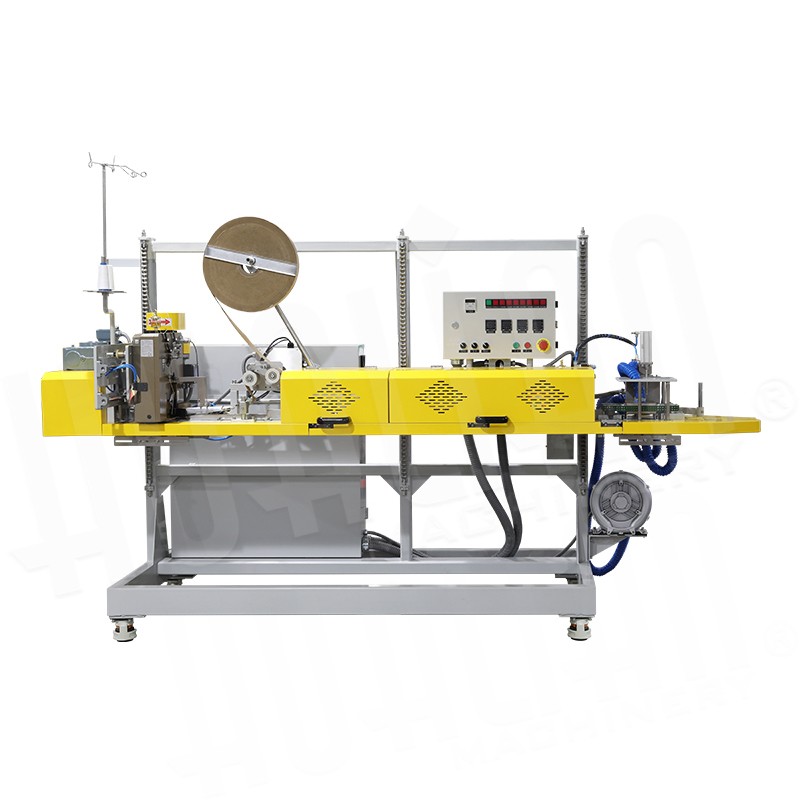
Hualian FBS-20 Series (Sewing): A heavy-duty, integrated automatic bag closing system featuring an automated sewing head mounted on an adjustable column. It includes automatic thread cutting and synchronous conveyor controls, making it ideal for large-scale agricultural and chemical bagging.
-
Hualian FBH Series (Sealing): An advanced continuous automatic heat sealing machine engineered for thick laminated pouches and heavy PE bags. It delivers precise temperature control and uniform pressure to ensure strong, leak-proof seals on high-speed production lines.


FAQ
Which closure method is better for food packaging? Heat sealing is generally preferred for food packaging because it provides an airtight seal that locks out moisture and contaminants, helping to extend product shelf life.
Which industries commonly use sewing machines? The agriculture, animal feed, fertilizer, and construction materials industries rely heavily on bag sewing machines to package bulk, heavy commodities.
Can sewing and heat sealing be combined? Yes, they can be combined. Hualian offers heavy-duty hybrid packaging systems that first heat-seal the inner liner for moisture protection and then sew the outer bag for enhanced structural strength.
결론
Choosing between sewing and heat sealing is a balancing act between your bag material, product requirements, and production goals. Hualian provides a versatile selection of high-performance machinery to help you achieve the perfect seal. Optimize your automated packaging line today by exploring our industrial solutions at www.hualianpack.com!