目次
トグルはじめに
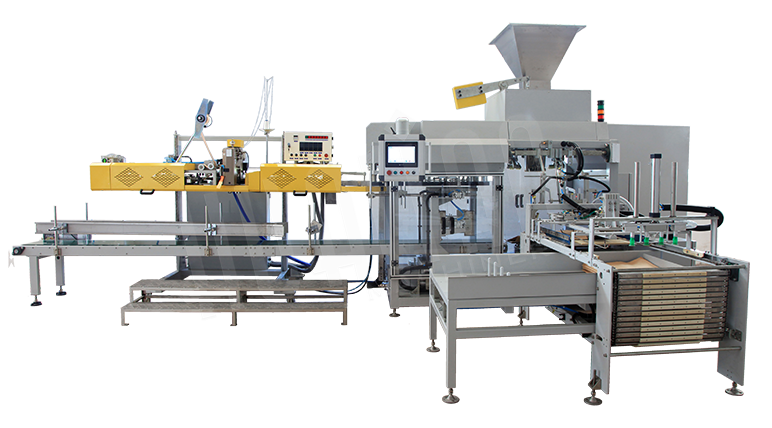
Milk powder packaging is a crucial step in delivering safe and high-quality products to consumers. Whether you produce whole milk powder, skimmed milk powder or special formula milk powder, the packaging process must be clean and reliable. The milk powder packaging machine is the core of the packaging line. It is responsible for filling and sealing each milk powder packaging bag, and sometimes weighing and dating them. When the machine operates well, your production process will run smoothly. However, once the machine breaks down, you may face high downtime costs, material waste, and even quality risks. In this article, we will explain the importance of maintenance and answer common questions about milk powder packaging and packaging of milk powder.
Why Milk Powder Packaging Machine Maintenance is Critical
Powder is a product that is prone to moisture absorption. If not handled properly, it will absorb moisture and form lumps. A well-maintained milk powder packaging machine can help you avoid these problems.
Firstly, maintenance can reduce the occurrence of unexpected downtime. Even minor issues can cause production to halt. Regular inspections can enable you to carry out repairs during planned downtime.
Secondly, cleaning the equipment can prevent cross-contamination and keep the milk powder dry. This helps maintain the texture, taste and shelf life of the milk powder.
Thirdly, maintenance can save costs. Machine failures lead to waste of milk powder and packaging bags as well as increased overtime costs. Therefore, your investment in the milk powder packaging line will yield higher returns.
一般的なメンテナンスのベストプラクティス
Daily Maintenance Checklist
- Check the power supply and air supply:Ensure that the electrical connections are secure and that the compressed air pressure is within the recommended range.
- Inspect the moving parts: Pay attention to any loose bolts or abnormal sounds. Finally, check for signs of wear on the belts, chains and rollers.
- Check the injection system:Ensure that the nozzles are clean and free of powder accumulation. Also, check for any leaks or uneven flow.
- Inspect the sealing components:Check the heating elements, sealing strips and pressure pads. They should be clean and in good condition.
- Inspect the sensors and safety devices: Check if the photoelectric sensors, weight sensors and emergency stop devices are functioning properly.
- Check the supply of milk powder packaging bags:Ensure that the pre-prepared bags are correctly loaded and arranged.
- Record the observation results:Pay attention to any minor issues so that they can be resolved promptly before they become major problems.
Weekly & Monthly Preventive Maintenance
Weekly Tasks
- Clean hard-to-reach areas:This includes the inside of hoppers, chutes, and guide tracks, where powder tends to accumulate.
- Add lubricant to moving parts:Choose the appropriate lubricant and follow the instructions in the machine’s user manual. It’s important to note that over-lubrication may cause dust to adhere.
- Check alignment:Ensure that the filling nozzles, sealing devices, and bag conveying system are in the correct alignment. Misalignment can cause blockages and poor sealing.
- Inspect worn components:Examine O-rings, gaskets, and cutting blades for signs of wear.
Monthly Tasks
- Calibrate the weighing and measurement system: Precise filling is crucial for building customer trust and meeting regulatory requirements.
- Inspect electrical components: Check for overheating or damage in wiring, terminals, and contactors.
- Inspect pneumatic components:Check for leaks in air filters, regulators, and cylinders.
- Review maintenance records: Pay attention to recurring issues and identify their root causes.
Cleaning Standards for Milk Powder Packaging Machines
The dust from powdered milk can accumulate rapidly and pose a hygiene hazard. Therefore, cleaning is very important.
- Use dedicated cleaning tools:brushes, vacuum cleaners and rags. Only use them in the packaging area to prevent cross-contamination.
- Try to avoid contact with water: Many components of the milk powder packaging machine are not suitable for getting wet. Water can cause corrosion and generate moisture that is harmful to the powder.
- If there is a CIP/SIP system, follow its operation guidelines: Please operate according to the recommended chemicals and procedures.
- Clean in a logical sequence: Clean from top to bottom in an orderly manner. This can prevent dust from falling on already cleaned surfaces.
- Thoroughly dry: If any part has been cleaned, be sure to dry it thoroughly before reassembling.
- Document cleaning: Record the specific time of each cleaning, the person who performed the cleaning, and any problems found.
Operator Training & SOP Documentation
Even the most advanced machines will perform poorly if the operators have not received proper training.
- Conduct safety operation training:Operators must learn how to stop the machine quickly and safely.
- Provide basic troubleshooting training: Simple issues such as misaligned bags or minor jams can be resolved more quickly through basic training.
- Develop clear standard operating procedures: Such as equipment installation steps, conversion steps, cleaning steps, and measures to be taken when an alarm occurs.
- Update standard operating procedures when there are changes:If the packaging size, film type, or product specifications are changed, update the relevant documents and retrain the team.
Common Milk Powder Packaging Machine Problems and Troubleshooting
Even with proper maintenance, problems may still occur. Here are some of the most common issues and their corresponding solutions.
Poor sealing quality
Possible causes: low sealing temperature, uneven pressure distribution, dirty sealing strips, incompatible bag materials, or misalignment of the position.
Solution: Clean the sealing area, check the temperature and pressure settings, and ensure that the material of the milk powder packaging bag meets the requirements of the machine.
Inaccurate filling
Possible causes: uncalibrated dosing system, powder accumulation in the hopper, air pressure fluctuations, or clogged nozzles.
Solution: Re-calibrate the dispensing device, break the powder accumulation phenomenon, check the air supply, clean the nozzles, and ensure stable powder transportation.
Bag material accumulation or misplacement
Possible causes: improper bag loading, misaligned guide rails, worn rollers, or static electricity.
Solution: Re-load the bags, adjust the guiding device, check and replace worn parts.
Excessive dust particles
Possible causes: too fast filling speed, too far distance between the nozzle and the bag.
Solution: Increase the filling speed and the accuracy of the nozzle position, and ensure that the dust removal system is operating normally.
Machine overheating or abnormal sounds
Possible causes: lack of lubrication, incorrect position, worn bearings, or overloaded motor.
Solution: Immediately stop the machine operation, check the lubrication condition, re-adjust the component positions, and check the bearings and motor.
If the problem recurs, then maintenance personnel should be arranged to handle it, or contact the supplier for more in-depth support.
Why Choose Hualian for Milk Powder Packaging Solutions
When choosing a milk powder packaging machine or a milk powder packaging line, the reliability of the product is of utmost importance. Hualian is a very reliable brand. Their machines are designed with food safety issues fully taken into account, and they pay attention to the stability of performance. Whether you need a small machine for special products or a high-speed production line for large-scale production, Hualian can provide equipment that meets your production volume and milk powder packaging bag type requirements.
FAQ
Q1:How often should a milk powder packaging machine be cleaned?
A1: Daily cleaning is of great importance, especially in the filling and sealing areas. Deep cleaning should be carried out once a week or once a month based on the production volume and the design of the machines.
Q2:What is the most common maintenance issue in milk powder packaging?
A2:One of the most common problems is that the powder accumulation leads to poor sealing, inaccurate filling, and machine stalling. Regular cleaning and inspection of the filling nozzles, sealing strips, and hoppers can effectively prevent these issues from occurring.
Q3:Can one machine handle different milk powder packaging bag sizes?
A3:Many milk powder packaging machines are equipped with bag-changing tools and adjustment devices. However, the specific size range that can be handled may vary depending on the model of the machine. Before purchasing, it is best to communicate with the supplier about the size range of the packaging bags you need.
Q4:How can sealing problems in milk powder packaging be avoided?
A4:To avoid sealing problems, it is necessary to keep the sealed area clean, maintain the correct temperature and pressure settings, and ensure that the bags are properly aligned. Use compatible bag materials.
Q5:Does Hualian provide technical support and spare parts?
A5:Yes, Huailian offers technical support and spare parts, which can help keep your milk powder packaging line running smoothly. This kind of support is crucial for reducing downtime and ensuring the stability of equipment performance.
結論
Maintaining the good condition of the milk powder packaging machine is of vital importance for product quality, production efficiency and cost control. By conducting regular inspections and providing professional training for operators, you can reduce the occurrence of malfunctions and ensure the stable operation of the milk powder packaging line. When choosing equipment, you should not only consider the performance of the machine, but also the after-sales service and the supply of spare parts. It is worth noting that Hualian’s milk powder packaging solution is designed to meet the requirements of food safety and large-scale production, emphasizing durability and ease of maintenance. It will be your best choice. With the right machine and a comprehensive maintenance plan, you can ensure that each bag of milk powder packaging bag reaches consumers in the best condition. Cotact now for more details.