Skip to content
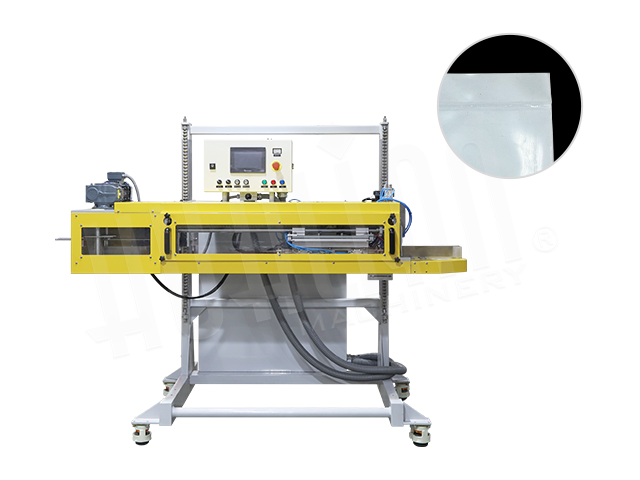
When you are running a high-volume packaging line, hand-held sealers create bottlenecks. You need a reliable, consistent system that never stops. A heavy-duty bag sealing machine is an industrial heat sealing machine engineered for high-speed, continuous operation. It automates the closing of plastic bags, pouches, and sacks, ensuring airtight, tamper-proof seals for food, chemicals, construction materials, and more.
This guide explains how an industrial heat sealing machine works, what materials it can handle, and how to select the right heavy duty bag sealing machine for your production floor.
Key Features of an Industrial Heat Sealer Machine
An industrial heat sealer is built for endurance, precision, and adaptability. Below are the core features that set these machines apart from basic manual sealers.
Continuous High-Speed Sealing Operation
Unlike impulse sealers that stop and start for each bag, a continuous heavy duty bag sealing machine runs non-stop. Bags are loaded manually or automatically through the machine and heat-sealed at high speeds. This continuous flow eliminates idle time, making it ideal for industrial production lines where every second counts.
For example, certain models achieve sealing speeds of up to 38 meters per minute, easily integrating into existing conveyor systems.
TEFLON Sealing Belt for Stable Performance
The sealing belt is the workhorse of any heat sealer. Industrial machines typically use Teflon-coated belts, which offer two critical advantages:
-
Non-stick surface – Melted plastic residue won’t cling to the belt, preventing defects and downtime.
-
Uniform heat distribution – Teflon ensures consistent temperature across the sealing area, producing seals of uniform quality bag after bag.
Multi-Material Compatibility
A premium industrial bag sealing machine adapts to your product mix, not the other way around. These machines are engineered to handle a wide spectrum of materials, from thin films to heavy laminated structures, without compromising seal integrity.
Optional Automation Modules
To scale with growing operations, many industrial heat sealers support modular upgrades that add functionality without replacing the entire machine. Common automation modules include:
-
Solid-ink coding / ink-jet printing – Print production dates, batch numbers, or barcodes directly on the bag during sealing.
-
Air suction and gas flushing – For vacuum packaging or modified atmosphere packaging, crucial for food preservation.
-
Embossing printing and counting devices – Track production output and add date codes to bags in real time.
How Does an Automatic Heat Sealer Machine Work?
An automatic heat sealer machine for plastic bags operates on a simple but precise four-step process: dust removal, heating, pressure sealing, and cooling. Each step is fine-tuned to ensure a secure, long-lasting bond.
Dust Removal (Optional)
For applications requiring pristine seals—particularly in food, pharmaceutical, or chemical packaging—many heavy duty machines are equipped with a dust removal system. This feature blows away fine particles from the bag’s sealing area before the heat is applied, preventing contaminants from compromising seal integrity.
Heating the Sealing Area
A heat sealing machine bonds thermoplastic materials together by applying a constant, precisely controlled heat source to the bag’s sealing area. The machine’s heating bars bring the material to its melting point. Temperature controls typically range from 0°C to 300°C, allowing operators to dial in the exact heat required for different film thicknesses and compositions.
Pressure Sealing
Once the material is sufficiently heated, the machine applies pressure through a set of sealing rollers or bars. This pressure ensures that the two inner layers of the bag are pressed together while molten, creating a molecular bond. Inadequate pressure leads to weak seals that peel open easily.
Cooling and Solidifying
This stage is vital. After heat and pressure are applied, the sealed area needs to cool while still under pressure to lock the bond in place. Higher-end machines incorporate forced-air cooling systems, such as dedicated cooling bars with fans, to accelerate this process. Cooling solidifies the polymer, ensuring the seal is strong enough to withstand handling, stacking, and transport.
What Types of Bags Can This Machine Handle?
One of the greatest strengths of a heavy duty bag sealer is material versatility. Below is a breakdown of bag types commonly processed by industrial machines.
| Bag Type | Typical Applications | Suitability |
|---|---|---|
| Thick PE and PP bags | Heavy grains, fertilizers, pet food | Excellent |
| Laminated composite bags | Coffee packaging, powdered goods, snacks | Excellent |
| Aluminum foil bags | Moisture-sensitive electronics, chemicals, pharmaceuticals | Excellent |
| Kraft paper bags | Cement, animal feed, bulk groceries | Good (with PE liner) |
| Electrostatic bags | Electronic components, PCBs | Good |
Hualian FRB-770 series continuous sealing machines, for instance, are explicitly designed to seal a wide range of heat-sealed packages, including PE bags, aluminum foil bags, Kraft paper bags, and electrostatic bags. For extremely heavy-duty applications, such as construction aggregates, textiles, or pet food in multi-layer sacks, Hualian’s FBH series can handle bag thicknesses up to 0.8mm.
Thick PE and PP Bags
Thick polyethylene (PE) and polypropylene (PP) bags are among the most common packaging materials for bulk commodities. These bags are frequently used for heavy grains, fertilizers, and pet food. A heavy-duty bag sealing machine handles these thick plastics with ease, thanks to its high-temperature sealing bars and robust pressure rollers. The suitability is excellent, as the machine can seal bag thicknesses up to 0.8mm without burning or under-sealing.
Laminated Composite Bags
Laminated composite bags consist of multiple layers (e.g., paper, foil, and plastic film) bonded together. They are widely used for coffee packaging, powdered goods, and snacks because the laminate provides barrier protection against moisture and oxygen. An industrial heat sealing machine delivers consistent heat and pressure across the laminated surface, creating a hermetic seal that prevents delamination. Suitability is excellent for most laminated structures.
Aluminum Foil Bags
Aluminum foil bags are the go-to choice for moisture-sensitive electronics, certain chemicals, and pharmaceutical products that require complete light and oxygen blockage. These bags have a metallic layer that reflects heat, so they typically need higher sealing temperatures and longer dwell times. A heavy duty bag sealing machine with adjustable temperature control (up to 300°C) and forced-air cooling is perfectly suited for aluminum foil bags, offering excellent seal integrity.
Kraft Paper Bags
Kraft paper bags are common in the construction, animal feed, and bulk grocery industries for products like cement, animal feed, and bulk groceries. However, pure paper does not heat-seal; these bags almost always include a thin polyethylene (PE) inner liner. When a Kraft paper bag has a PE liner, a heavy-duty bag heat sealer bonds the liner effectively, while the paper remains intact. Without a liner, sealing is not possible. Therefore, suitability is rated good (with PE liner).
Electrostatic Bags
Electrostatic bags (also called anti-static or static-shielding bags) are designed to protect sensitive electronic components, PCBs, and semiconductor devices from electrostatic discharge. They are typically made of multi-layer polyethylene with static-dissipative properties. An automatic heat sealer machine for plastic bags can seal electrostatic bags without damaging the inner shielding layer, provided the temperature is set correctly (lower than standard PE). Suitability is good, though operators should test a sample first to avoid melting through the static barrier.
How to Choose the Right Heat Sealer Machine
Selecting the correct heavy duty bag sealing machine for your operation comes down to three key variables. Making the wrong choice leads to weak seals, wasted material, and costly downtime.
Bag Thickness
The thickness of your bag material is the single most important specification to check. Most continuous sealers have maximum thickness ratings. For example:
-
Light to medium applications: 0.1mm–0.3mm
-
Heavy-duty applications: Up to 0.8mm (as seen in Hualian’s FBH-32 model)
-
Extra-thick woven or multi-layer bags: Up to 0.8mm or more with specialized equipment
Guideline: If your bags exceed 0.5mm in total thickness, look for machines with dual heating zones and cooling systems.
Material Type
Different materials melt at different temperatures and react differently to pressure. Understanding your bag’s composition helps you choose the right sealer:
-
PE and PP bags – Standard materials that work well with most continuous sealers.
-
Laminated composite bags – May require higher heat and longer dwell time; look for machines with adjustable temperature controls.
-
Aluminum foil bags – Often need higher temperature settings and consistent pressure to achieve a hermetic seal.
-
Kraft paper bags – Typically seal best when a PE inner liner is present; ensure the machine can handle paper-based materials without scorching.
Production Capacity
Heavy duty bag sealing machines are typically continuous in operation—once the machine runs, it seals bags constantly until stopped. However, output speed varies dramatically between models. Entry-level portable units may seal at 7 meters per minute, while high-performance industrial machines can reach up to 38 meters per minute.
Guideline: Estimate your required output in bags per hour. If you need more than 30 bags per minute, invest in a high-speed model with automated bag feeding.
Why Buyers Choose Hualian Heat Sealer Machines
When sourcing an industrial bag sealing machine supplier, reliability and technical support are non-negotiable. Hualian has built a reputation as a trusted partner for packaging operations worldwide.
-
Certified quality – Hualian machines are CE, RoHS, and LVD certified, meeting rigorous international safety and environmental standards.
-
Heavy-duty engineering – The FBH series handles the toughest materials, sealing bag thicknesses up to 0.8mm at speeds of 0–12 meters per minute.
-
Versatile material support – From PE and PP films to aluminum foil and Kraft paper bags, Hualian sealers are built for multi-material production lines.
-
Integrated automation options – Choose from machines with built-in dust removal, solid-ink coding, or gas flushing for complete packaging solutions.
-
Competitive pricing – High-performance models are available at accessible price points, such as the FRM-1370LD vertical double heating sealer from $1,210 per unit.
Ready to upgrade your packaging line? Explore Hualian’s full range at Our Web.
FAQs
How thick of plastic can a heat sealer machine seal?
Most industrial heat sealers seal materials up to 0.8mm (800 microns) thick; specialized heavy-duty models can handle even thicker multi-layer laminated composites with dual heating zones.
What are common problems with bag sealing machines?
Weak or incomplete seals from low temperature or insufficient pressure, burned bags from excessive heat, and belt tracking issues on continuous band sealers are the most frequent problems.
How do you maintain a heat sealing machine?
Clean the Teflon sealing belt daily, check belt tension and tracking weekly, replace worn belts as needed, and perform professional maintenance every 3–6 months.
Conclusion
Choosing the right heavy duty bag sealing machine transforms your packaging line from a bottleneck into a competitive advantage. By understanding how an automatic heat sealer machine for plastic bags works, and by evaluating bag thickness, material type, and production speed, you can select equipment that delivers consistent, airtight seals for years. Hualian’s certified, heavy-duty sealers are built for industrial performance. Contact us today to find the perfect machine for your operation, or visit Our Web to explore the full product lineup.