Skip to content
Table of Contents
ToggleIntroduction
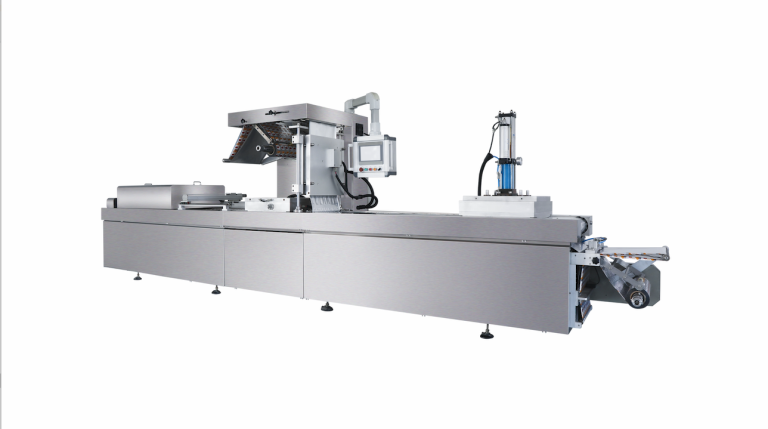
Executing a strict tray sealer maintenance checklist is essential to eliminate sudden factory downtime and preserve food safety. Whether your production facility operates a standard tray sealing machine or a fully integrated automatic tray packaging machine, consistent upkeep guarantees optimal sealing pressure and extends equipment lifespan. As global industry leaders, Hualian engineers premier automatic tray packing machine solutions and advanced MAP packaging machine setups. Our high-performance systems maximize daily output, helping businesses streamline their specialized vacuum tray packaging lines with exceptional reliability and efficiency.
Why Regular Maintenance is Crucial For Tray Vacuum Packaging Machine
In high-throughput food processing and medical manufacturing industries, operational consistency directly impacts profitability and product shelf life. A minor degradation in sealing pressure or an unnoticed vacuum leak can compromise internal gas mixtures, leading to premature product spoilage and costly batch recalls. Implementing a proactive maintenance plan preserves the airtight integrity of your packaging, ensuring every container meets strict quality standards.
Furthermore, a well-maintained system operates at peak energy efficiency, reducing unnecessary stress on mechanical drives and electrical components. By identifying and addressing minor component wear before it leads to a critical mechanical breakdown, facilities can significantly reduce emergency repair expenses. Investing time in routine technical care safeguards your operational workflow and stabilizes your long-term return on investment.
Daily Maintenance Checklist for Stable Operation
To maintain a hygienic production environment and ensure stable operation, operators must perform basic cleaning and inspection protocols at the end of every operational shift. The table below outlines the essential tasks required to keep your tray packaging machine functioning correctly each day.
| Component Focused | Required Daily Action | Operational Purpose |
|---|---|---|
| Sealing Dies & Molds | Wipe away debris, moisture, and plastic film residues using a soft cloth. | Prevents uneven heat transfer and ensures clean seals. |
| Silicone Gaskets | Inspect for micro-tears, physical cracks, or food accumulation. | Guarantees an airtight seal during the vacuum cycle. |
| Safety Sensors | Clean dust or moisture off photoelectric lenses and proximity switches. | Avoids unexpected cycle interruptions and protects operators. |
| Cutting Blades | Remove stray film fragments and inspect sharpness. | Ensures clean, neat edge separation without tearing the film. |
Daily cleaning of the sealing molds prevents carbonized film buildup, which can cause weak points or micro-leaks in subsequent production cycles. Concurrently, examining the perimeter silicone profile strips ensures the machine maintains the required pressure during the vacuum and gas injection stages. Keeping the pneumatic sensors and safety light curtains free of moisture and debris prevents timing glitches and safeguards operators. Finally, a quick inspection of the internal trimming blades ensures consistent film separation, minimizing raw material waste and reducing automated line stoppages.
Weekly Maintenance Plan to Protect Your Industrial Vacuum Sealer
A comprehensive weekly routine goes beyond surface cleaning to evaluate the core mechanical and pneumatic components supporting your industrial vacuum sealer maintenance protocol. First, operators must check the oil level and color inside the vacuum pump. If the oil appears milky or dark brown, it indicates moisture contamination or thermal degradation, and the fluid must be changed immediately to prevent internal friction damage.
Next, the pneumatic air supply lines require close inspection. Operators should drain any accumulated moisture from the filter-regulator unit to prevent water droplets from entering the pneumatic cylinders, which can cause internal corrosion and sluggish valve responses. Additionally, technical staff should verify that the profile cutting assemblies and film unwinding tension bars move smoothly, applying food-grade lubricants where necessary to eliminate mechanical binding and ensure fluid movement during high-speed cycles.
Monthly Preventive Maintenance Plan
The monthly technical inspection focuses on the electrical systems, structural alignments, and heavy-duty wear components within the machine. Technicians should systematically inspect the heating elements and thermocouple wires, measuring electrical resistance to identify failing components before they cause uneven temperature distribution across the sealing plate. All terminal screws inside the main electrical control cabinet should be tightened to eliminate loose connections caused by operational vibrations.
Additionally, the main vacuum chamber alignment mechanism requires precision calibration. Over time, continuous heavy cycling can cause subtle misalignments between the upper sealing head and the lower tray cavities, resulting in uneven pressure distribution. Technicians should also evaluate the condition of the vacuum exhaust filters and inspect all internal pneumatic hoses for signs of friction wear or micro-cracks, replacing worn parts to prevent sudden pressure drops during operation.
Identifying and Troubleshooting Common Challenges in Vacuum Tray Packaging
When encountering operational issues within a automated line, systematic troubleshooting helps technical teams quickly identify root causes and minimize production bottlenecks. The matrix below highlights common challenges, their probable causes, and practical solutions.
| Identified Symptom | Probable Technical Cause | Corrective Practical Solution |
|---|---|---|
| Incomplete or Weak Seals | Insufficient heating temperature, low pressure, or dirty sealing dies. | Recalibrate temperature settings, check air pressure, and clean dies. |
| Poor Vacuum Levels | Damaged chamber gaskets, worn pump oil, or micro-leaks in hoses. | Replace deformed gaskets, change vacuum oil, and tighten fittings. |
| Improper Gas Flushing (MAP) | Faulty gas injection valves or incorrect pressure settings. | Inspect pneumatic solenoid valves and verify gas supply calibration. |
| Film Misalignment | Incorrect web tension or inaccurate photo-sensor calibration. | Adjust the film tension braking system and clean the tracking sensor. |
If you notice weak or incomplete thermal seals along the tray rim, verify that the heating parameters match your specific film type, and check that the pneumatic system is supplying sufficient pressure to compress the film consistently. When the machine fails to achieve target vacuum levels within the designated cycle time, check the vacuum pump oil condition and inspect the chamber perimeter seals for wear. For modified atmosphere packaging lines experiencing inconsistent gas mixtures, inspect the gas injection nozzles for clogs and verify that the solenoid valves open completely. Finally, resolve film tracking errors by cleaning the optical registration sensors and adjusting the unwind tension rollers.
Why Choose HUALIAN Tray Vacuum Packaging Machines
Hualian designs and manufactures advanced tray sealing systems engineered to withstand demanding industrial production schedules. Our machinery features corrosion-resistant stainless steel construction, intuitive programmable logic controllers (PLCs), and precision-engineered quick-change mold systems that allow operators to switch tray profiles with minimal tool requirements. By choosing Hualian, your business gains access to highly reliable, energy-efficient packaging equipment supported by global technical assistance, comprehensive spare parts availability, and expert engineering assistance designed to optimize your line’s efficiency.
FAQs
How often should a tray vacuum packaging machine be serviced? Basic operations require daily cleaning and weekly checks, while comprehensive technical servicing—including oil changes and calibration—should be performed monthly.
What causes vacuum pump failure in packaging machines? The most common causes are contaminated or degraded pump oil, moisture accumulation from food products, and clogged exhaust filters that restrict airflow.
How can I extend the lifespan of my tray vacuum packaging machine? You can extend its lifespan by following a strict daily cleaning routine, replacing wear parts like gaskets proactively, and maintaining clean, dry pneumatic air.
Conclusion
Adhering to a structured preventive maintenance routine protects your product quality, reduces unexpected repair expenses, and optimizes daily factory throughput. Hualian provides field-proven tray sealing machinery and specialized technical guidance to keep your automated line running efficiently. Upgrade your facility’s operational reliability today by exploring our complete industrial range at www.hualianpack.com!