Skip to content
Are you still relying on manual or semi‑automatic packing methods? As order volumes grow and labor costs rise, many manufacturers face a critical decision: upgrade to a smart packaging production line or stick with a traditional packing line. The right choice impacts your efficiency, product quality, and long‑term profitability. This guide compares both systems across seven key factors, helping you decide when to invest in a packaging automation system or an industrial packaging production line.
What Is a Smart Packaging Production Line?
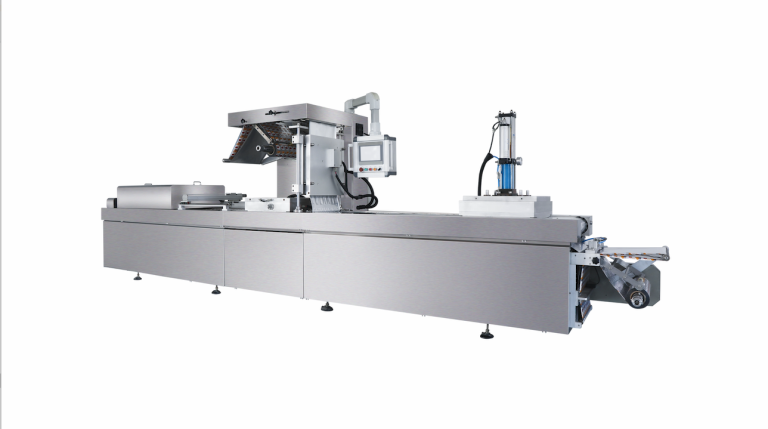
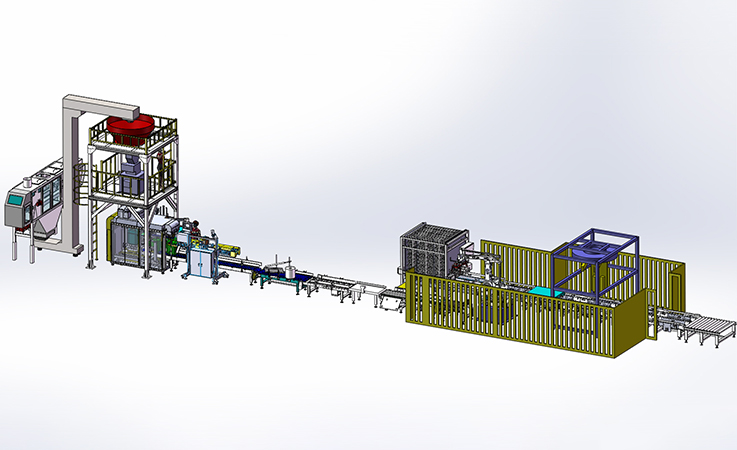
A smart packaging production line integrates advanced automation, sensors, data collection, and centralized control software to manage the entire packaging process. From filling and sealing to labeling and palletizing, every step is monitored and adjusted in real time. Common components include automated packaging line system units such as robotic pick‑and‑place arms, automatic tray sealers, conveying systems, and quality inspection cameras. Smart lines communicate with your factory’s ERP or MES, enabling predictive maintenance, production tracking, and remote troubleshooting.
What Is a Traditional Packing Line?
A traditional packing line relies heavily on manual labor and standalone machines. Operators manually feed products into sealers, weigh and fill bags by hand, or use simple conveyor belts with limited automation. While some equipment may be electric or pneumatic, there is little to no integration between stations. Changeovers require physical adjustments and skilled workers. Traditional lines are common in small‑scale operations or facilities with highly variable product shapes, but they struggle to keep pace with high‑volume, consistent demand.
Key Differences Between Smart and Traditional Packing Lines
While many factors distinguish these two approaches, the most impactful differences center on automation, efficiency, labor, and consistency.
| Factor | Smart Packaging Production Line | Traditional Packing Line |
|---|---|---|
| Level of Automation | Fully automated from infeed to outfeed; minimal human intervention | Manual or semi‑automatic; operators handle feeding, positioning, and stacking |
| Production Efficiency | Continuous, high‑speed operation (up to 30+ cycles/min); minimal downtime | Speed limited by human fatigue and machine changeovers; frequent pauses |
| Labor Cost and Dependency | Low labor requirement; one or two technicians can supervise multiple lines | High labor dependency; many operators needed for each shift |
| Quality Consistency | Uniform, repeatable seals, fills, and cuts; inline sensors reject defects | Inconsistent quality due to human error; higher scrap rates |
Level of Automation
A smart packaging production line uses programmable logic controllers (PLCs), servomotors, and human‑machine interfaces (HMIs) to automate every stage. Operators simply load materials and monitor the system. In contrast, a traditional packing line requires workers to manually place products, adjust machine settings, and inspect output.
Production Efficiency
Smart lines run continuously at optimized speeds, often integrating automatic film splicing and reject systems to avoid stops. Traditional lines face frequent interruptions for manual feeding, machine adjustments, and operator breaks. Over an eight‑hour shift, a smart line can easily double or triple the output of a traditional setup.
Labor Cost and Dependency
Labor is one of the largest operational expenses. An automated packaging line system reduces headcount significantly. For example, a smart tray sealing line may need only one technician, whereas a traditional line could require six to eight workers. Additionally, smart lines are less vulnerable to labor shortages, sick days, or turnover.
Quality Consistency
Smart systems include real‑time sensors to detect seal integrity, fill levels, and package weight. Defective packages are automatically rejected. Traditional lines rely on periodic manual checks, which can miss intermittent defects. The result is fewer customer complaints and less product waste with smart lines.
Why Choosing the Right Smart Packaging Production Line Matters
Selecting the correct industrial packaging production line is not just about buying equipment—it is about shaping your competitive future. A mismatch can lead to under‑utilized machines (wasted capital) or over‑strained equipment (frequent breakdowns). The right smart line reduces operating costs, improves product safety, and scales with your business growth. It also meets the increasing demand for traceability, as smart lines log every package’s production data.
7 Key Factors You Must Consider
When comparing a smart packaging production line vs. a traditional line, evaluate these seven factors carefully.
Production Capacity
Calculate your required output in packages per hour or per shift. Smart lines typically deliver 20–100% higher throughput than traditional lines of similar footprint. If your peak season demand exceeds 30% of your current capacity, a smart line offers room to grow.
Level of Automation
Determine how many manual touchpoints you want to eliminate. Full automation (from product loading to case packing) requires a higher upfront investment but yields the lowest long‑term labor cost. Partial automation (e.g., auto feeding but manual packing) may suit medium volumes.
Flexibility and Compatibility
Your packaging line must handle different bag sizes, tray dimensions, or closure types. Smart lines offer recipe‑based changeovers with push‑button adjustments. Traditional lines require physical tooling changes and skilled operators. If you run more than three product SKUs daily, flexibility becomes critical.
Technology and Smart Features
Look for real‑time monitoring, remote diagnostics, predictive maintenance alerts, and data logging. A packaging automation system with Industry 4.0 capabilities can integrate with your warehouse management system. Without these features, even an automated line remains “dumb” and less efficient.
Equipment Quality and Reliability
Check machine construction (stainless steel for food, heavy‑duty steel for industrial), brand of key components (PLC, sensors, drives), and mean time between failures (MTBF). Hualian machines, for example, are CE, RoHS, and LVD certified, using international standard components for long service life.
Total Cost of Ownership (TCO)
Do not only compare purchase prices. Include installation, training, energy consumption, spare parts, maintenance, and labor savings over 5–10 years. Smart lines have higher upfront cost but lower TCO due to reduced waste, fewer operators, and less downtime.
After‑Sales Support and Service
Ask about lead times for spare parts, availability of remote support, and warranty terms. A supplier with local distributors or 24/7 technical hotline minimizes production stops. Hualian provides comprehensive after‑sales support, including online troubleshooting and on‑site service options.
When Should You Upgrade from Traditional to Smart Packaging?
Consider upgrading when:
-
Your defect rate exceeds 2% due to human error.
-
Overtime and temporary labor costs are growing faster than revenue.
-
You cannot fulfill large orders because of packing line bottlenecks.
-
You need to meet retailer requirements for package traceability or consistent seal quality.
-
Frequent changeovers (more than three per day) are causing excessive downtime.
If any three of these conditions apply to your operation, a smart packaging production line will likely pay for itself within 12–24 months.
Why Choose Hualian Smart Packaging Production Line Solutions
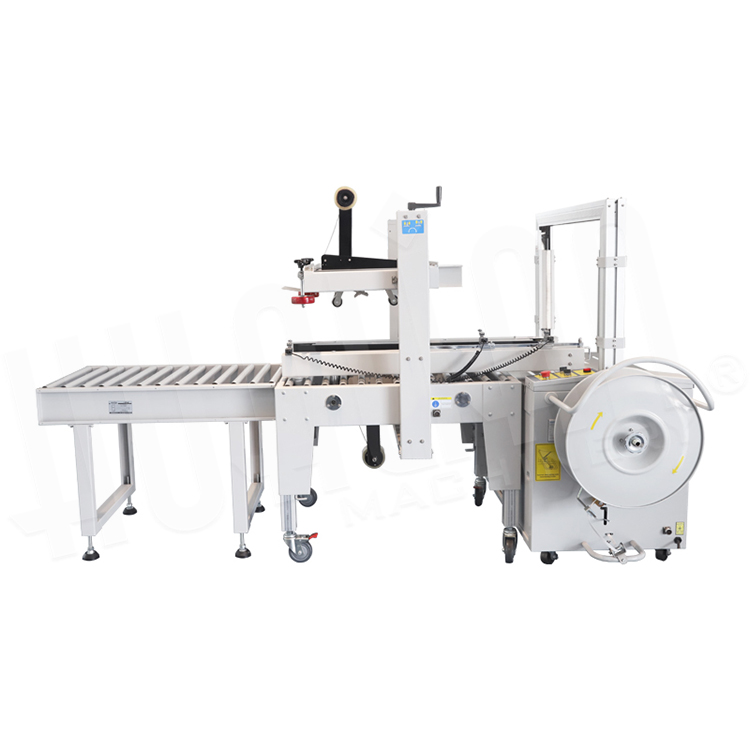
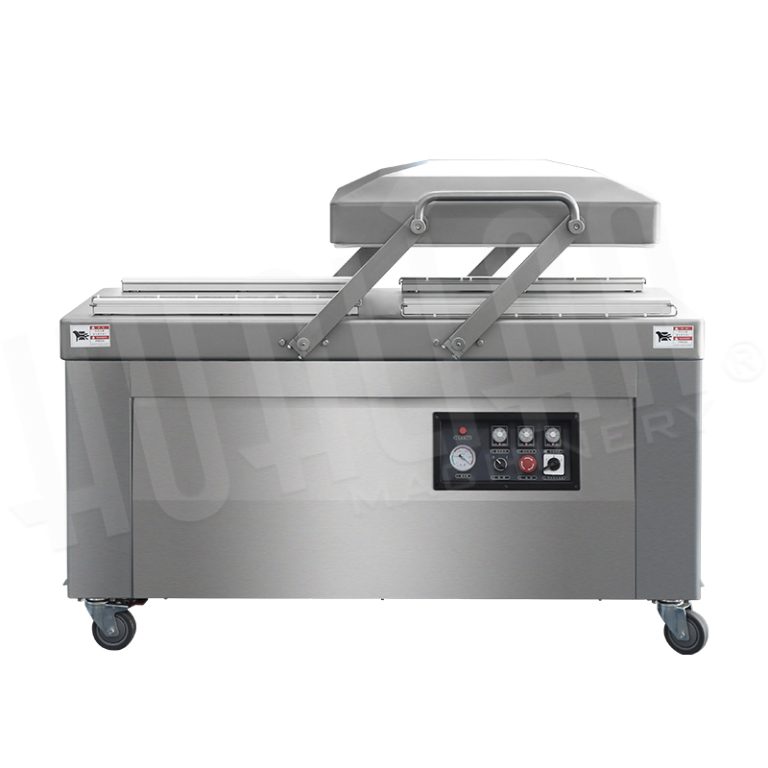
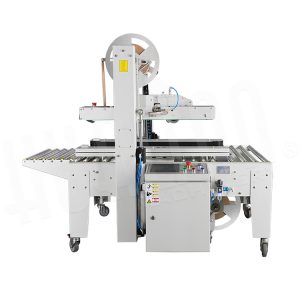
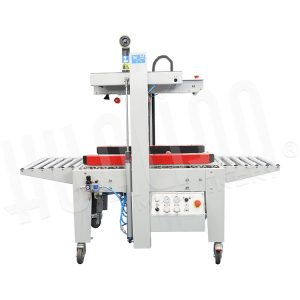
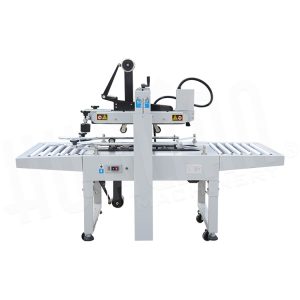
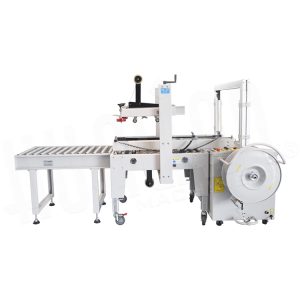
Hualian designs and manufactures complete industrial packaging production line systems tailored to food, pharmaceutical, and household product industries. Our solutions include automatic tray vacuum sealing, continuous band sealing, gas flushing, inkjet coding, and integrated conveying.
| Feature | Hualian Advantage |
|---|---|
| Fully integrated systems | Provide end‑to‑end automated packaging line system from feeding to palletizing |
| Smart control platform | Real‑time HMI with recipe storage, fault diagnosis, and production data export |
| Modular design | Easily add or remove modules (coding, labeling, checkweighing) as needs change |
| Robust build quality | 304 stainless steel, Teflon belts, and premium heating elements for 24/7 operation |
| Global service network | Fast spare parts delivery and remote technical support |
Whether you need a single automatic sealer or a complete smart packaging production line, Hualian offers scalable solutions. Visit Our Web to request a consultation.
FAQs
What industries use automated packaging production lines?
Food and beverage, pharmaceuticals, cosmetics, chemicals, pet food, and electronics all use automated lines for high‑speed, hygienic, and consistent packaging.
Is it expensive to switch to a smart packaging line?
Initial investment is higher than traditional lines, but lower labor, reduced waste, and higher output typically deliver a return on investment within 12–24 months.
How to choose the right packaging machinery manufacturers?
Look for proven industry experience, certified equipment (CE, RoHS), modular design, responsive after‑sales support, and positive customer reviews.
Can a packaging line be customized for different products?
Yes, most smart packaging production lines support quick recipe changeovers and can accommodate different bag sizes, tray shapes, and sealing parameters.
How long does it take to install a packaging production line?
Simple lines may take 1–2 weeks; fully integrated systems with conveyors and coding can take 4–8 weeks including commissioning and operator training.
Conclusion
Deciding between a smart packaging production line and a traditional packing line comes down to your production volume, labor situation, quality requirements, and long‑term goals. Smart lines offer superior efficiency, consistency, and lower total cost of ownership for most medium to large operations. Hualian provides rugged, certified packaging automation system solutions that integrate seamlessly into your factory. Ready to upgrade your packing line? Contact Hualian today or visit Our Web to explore our smart packaging solutions.