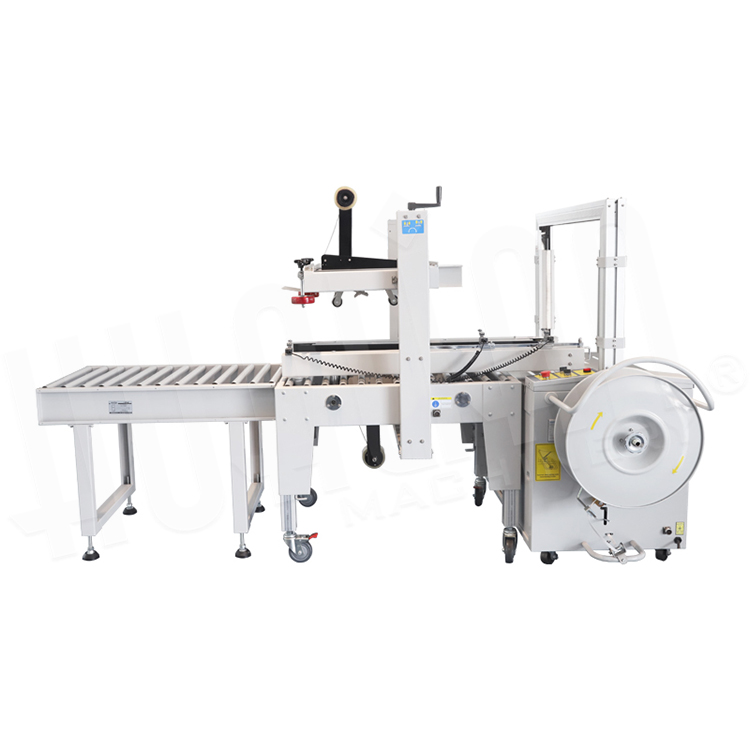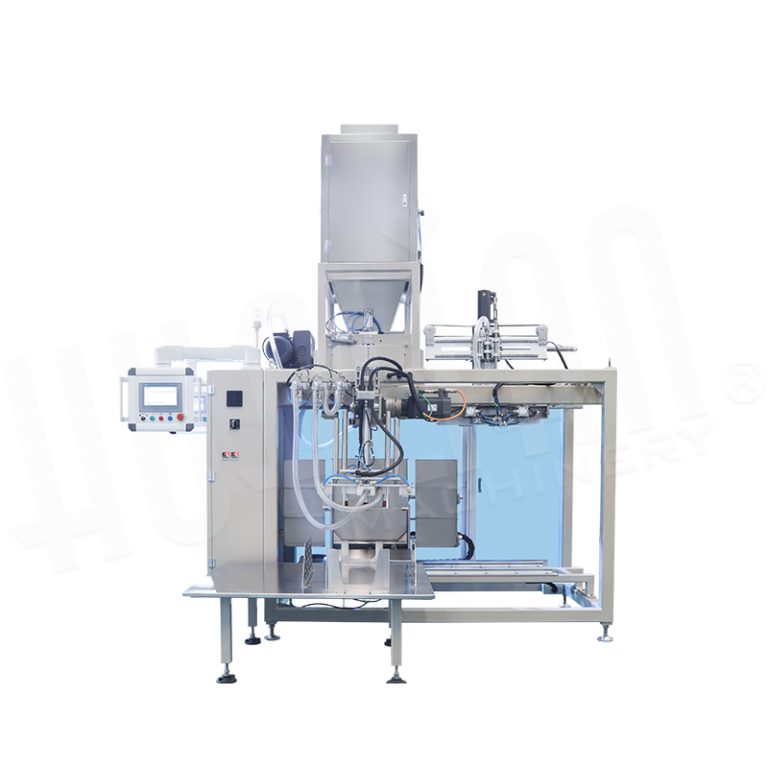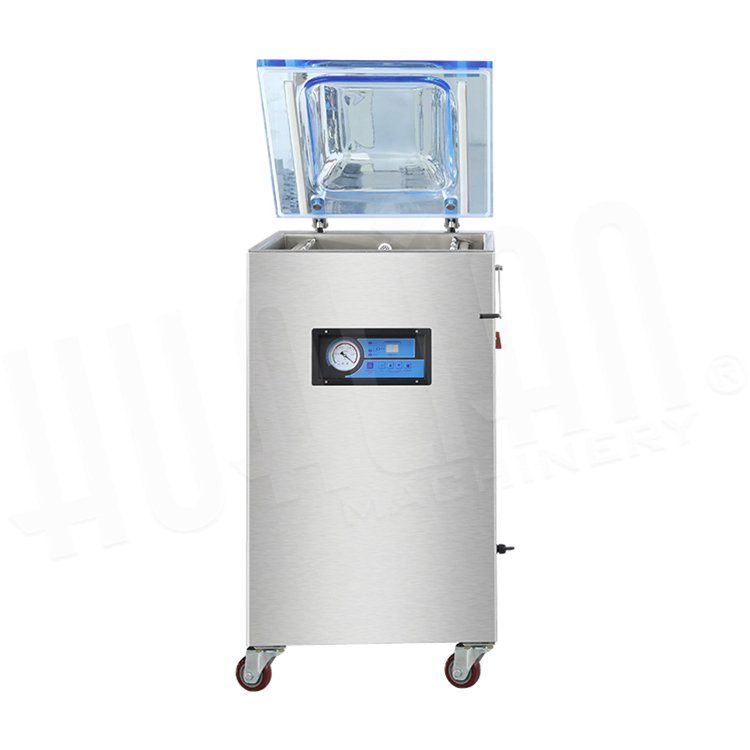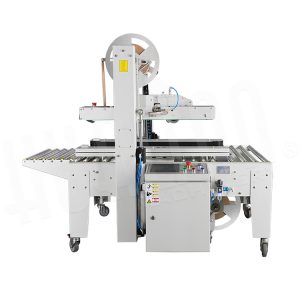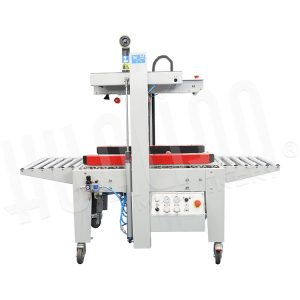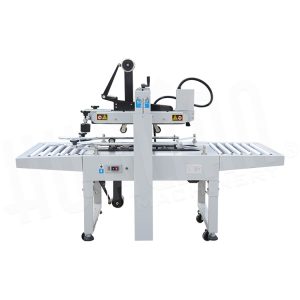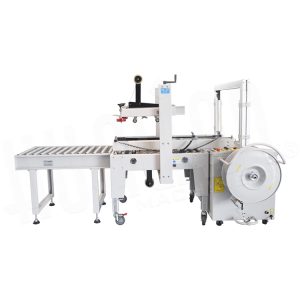
An automatic sausage packaging line should be designed around controlled product flow and validated saleable output, not around the fastest packaging machine in a brochure. The line must receive variable sausage links, create the intended count or weight, load them without damage, seal the package, inspect it, label it, and move accepted packs to cases without creating a bottleneck or hygiene risk.
Table of Contents
ToggleStart With a Line Requirement Specification
Define the product family, package formats, normal and peak demand, operating shifts, batch sizes, required changeovers, sanitation windows, and expected growth. Separate mandatory scope from future options. State which organization owns the product process, package validation, controls integration, installation, and acceptance.
For each SKU, document sausage length, diameter, curvature, weight variation, casing, temperature, surface moisture or oil, whether links arrive connected or separated, and sensitivity to compression. These variables determine whether automatic handling is realistic.
Map the Complete Process Flow
- Receive sausages from cooking, chilling, cutting, or linking.
- Buffer product without damaging it or compromising time and temperature controls.
- Separate, orient, count, or weigh the required quantity.
- Load bags, thermoformed pockets, or trays.
- Remove air or replace the atmosphere, then seal the package.
- Inspect the package and verify code, weight, and contaminants as required.
- Apply labels and aggregate packs into cases.
- Reject nonconforming product without losing traceability.
Draw this flow with accumulation points, people, reject routes, cleaning access, utilities, and maintenance clearances. Confirm whether raw and cooked product zones require physical or procedural separation.
Choose the Primary Packaging Platform
Bag-Based Vacuum Line
A line can combine manual or assisted bag loading with a chamber, belt, or continuous vacuum system. It is flexible for irregular and large packs, but bag opening and presentation may limit automation.
Thermoforming Line
A thermoformer creates indexed pockets from rollstock, making it a strong platform for repeatable packs and continuous flow. The project must coordinate cavity layout, loading window, film handling, evacuation, sealing, cutting, labeling, and rejects.
Tray MAP Line
A tray line can include denesting, sausage loading, gas replacement, sealing, coding, inspection, and labeling. It is useful when shape and retail presentation matter. Tray tolerances, flange cleanliness, headspace, gas control, and lidding-film compatibility are central design inputs.
Compare the platforms in thermoforming vs chamber packaging and vacuum vs MAP packaging for sausages.
Engineer Product Infeed and Buffering
Define how sausages leave the previous operation: loose, linked, racked, layered, or in bulk containers. Determine whether the infeed must separate, cut, align, count, weigh, or reject damaged pieces. Product accumulation should absorb short interruptions without allowing uncontrolled residence time or physical damage.
For soft or sticky links, test belts, guides, drop heights, contact pressure, and cleaning. For automatic counting and placement, test the complete dimensional and shape variation. Do not base the design on selected uniform samples.
Design the Loading Station
Manual loading can be efficient when the workstation presents product and empty packs ergonomically and the packaging-machine index matches operator capability. Record reach, repetition, product handling, staffing, rotation, and line speed.
Automatic loading requires a stable incoming pitch and reliable detection. Define how the system handles missing, doubled, curved, broken, or out-of-position sausages. Agree whether it stops, leaves a cavity empty, rejects the pack, or recirculates product.
Balance the Line With Real Capacity Data
Create a capacity table for every module using good output, not mechanical maximum:
- Normal and peak incoming sausages per minute
- Pieces or weight per pack
- Packs per machine cycle and cycles per minute
- Good-pack rate and planned sampling
- Labeler, inspection, and case-packing capacity
- Changeover, film or tray replenishment, cleaning, and break coverage
The slowest sustained module controls the line. Add only enough accumulation to manage defined short stops; excessive buffers can hide problems and complicate hygiene and traceability.
Specify Vacuum, Gas, Film, and Seal Controls
Identify the recipe variables operators may adjust and those that require controlled access. These may include vacuum time or target, gas recipe, evacuation and flushing sequence, sealing temperature, pressure, dwell, cooling, forming temperature, and index length.
Vacuum and MAP are reduced-oxygen packaging processes. The FDA Food Code makes clear that food-safety controls depend on the complete process. Define who validates the gas, atmosphere, shelf life, storage, and monitoring plan. Machine commissioning alone is not shelf-life validation.
Add Inspection and Traceability
Define which checks are required and where they occur: product count or weight, metal detection or X-ray, seal or leak inspection, residual gas sampling, code verification, label presence and position, vision inspection, and case aggregation. Specify reject confirmation, reject-bin control, alarm escalation, and data retention.
Traceability should connect product lot, packaging-material lot, machine recipe, date and time, operator or batch, inspection results, and rejected quantity according to the site’s quality system.
Plan Controls Integration and Safety
Agree on line control ownership, start/stop sequence, starvation and blockage signals, emergency-stop zones, safe access, restart logic, recipe transfer, production reporting, remote access, cybersecurity requirements, and software backup. A mechanically connected line is not an integrated line until fault and recovery behavior is defined.
Design for Cleaning, Changeover, and Maintenance
Confirm cleaning boundaries, product-zone access, drainage, removable parts, approved chemicals, lockout procedures, and time needed to release the line after sanitation. Prevent cleaned and unclean components from crossing during tool handling.
List every change part by SKU and provide identification, carts, lifting aids, storage, and inspection. Simulate a complete product and package change during acceptance, including recipe selection and first-good-pack approval.
Define Utilities and Layout
Document electrical supply, compressed air pressure and quality, cooling-water temperature and flow, vacuum system, gas type and pressure, exhaust, drainage, network, ambient conditions, and washdown exposure. Measure available capacity while the rest of the plant is operating.
The layout must include access for film and tray replenishment, tool changes, pump service, electrical cabinets, cleaning, operator escape, and material movement. Check delivery route, door openings, lifting points, and final ceiling height before freezing the design.
Create a Stage-Gated Project Plan
- User requirements: approve products, packs, outputs, standards, data, and acceptance criteria.
- Concept: compare packaging platforms, loading options, layouts, and ownership cost.
- Detailed design: freeze samples, interfaces, utilities, controls, safety, and documentation.
- Supplier trial: prove the difficult products and automation assumptions.
- FAT: test build quality, functions, recipes, faults, changeover, and representative production.
- Installation and SAT: verify the line in the actual factory with site utilities and operators.
- Ramp-up: track good output, labor, rejects, downtime, sanitation, and corrective actions.
Automatic Line RFQ Checklist
- SKU matrix with product and pack samples
- Normal, peak, and future output by SKU
- Incoming product condition and upstream interface
- Required counting, weighing, orientation, and loading
- Packaging method, materials, atmosphere, and seal criteria
- Inspection, coding, labeling, rejection, and traceability
- Case format and end-of-line scope
- Changeover and sanitation targets
- Layout, utilities, environmental and safety requirements
- Documentation, trials, FAT, SAT, training, spares, and support
Frequently Asked Questions
What is usually the hardest part to automate?
Product separation, orientation, counting, and gentle loading are often harder than the sealing cycle because sausage shape and surface condition vary.
How much buffer should a line have?
Enough to absorb defined short interruptions without compromising product control. Size it from measured stop patterns and residence limits, not a generic rule.
Should one supplier own the whole line?
Either one integrator or several suppliers can work, but responsibility for interfaces, controls, safety, acceptance, and performance must be explicit.
Hualian can review thermoforming, vacuum, and tray-sealing line concepts. Submit a product and SKU matrix, package samples, target output, layout, utilities, and inspection scope to begin a defensible line design.